From Ars Technica · · 3m
Scientists replace mouse brain tissue with human cells
Stanford researchers deleted most of a mouse's cortex and implanted human brain organoids to create a new model for studying neural diseases.
In brief
Stanford researchers deleted most of a mouse's cortex and implanted human brain organoids to create a new model for studying neural diseases. Human brain organoids can partially replace a mouse's cortex and restore some function, creating a new way to study human brain diseases. Originally reported by Ars Technica.
Brain organoids show promise
Organoids are small tissue patches grown from stem cells. They produce many cell types and structures found in real organs, offering better disease models.
But organoids have limits
Brain organoids lack connections to specialized brain structures. They can't behave normally without the circulatory system and long-range neural connections.
Stanford tried something radical
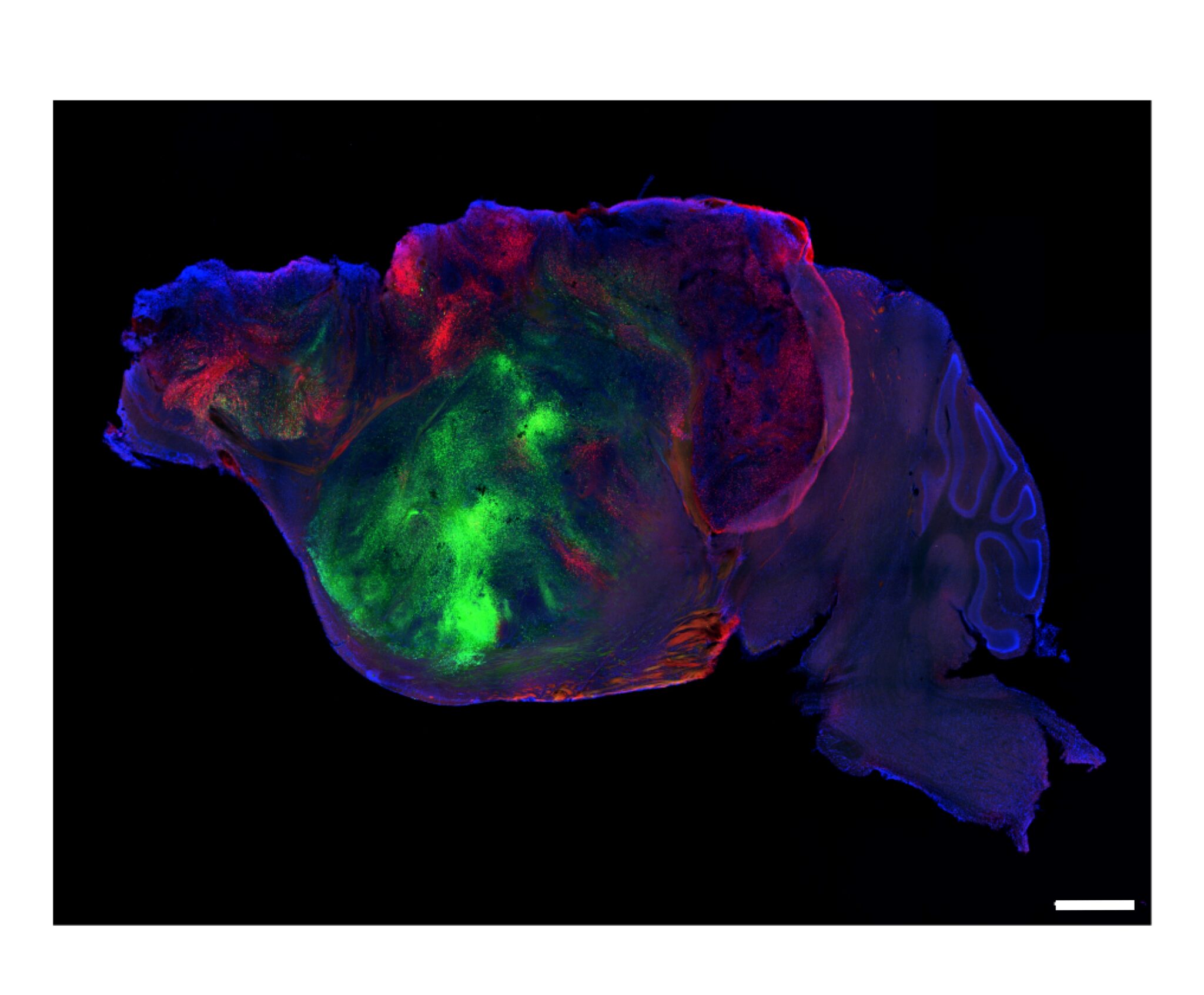
Researchers genetically wiped out most of a mouse's cortex and replaced it with human brain organoid cells to study them in a more natural context.
The cortex deletion challenge
The team used a gene active in cortical cells to drive deletion of a key gene needed for cell division. This killed off most cells that form the mature cortex.
Mice survived without cortexes
Despite losing half their brain volume, mice survived with extra nursing time and high-calorie food. Nearly all cortex-free mice made it through.
Human cells took over
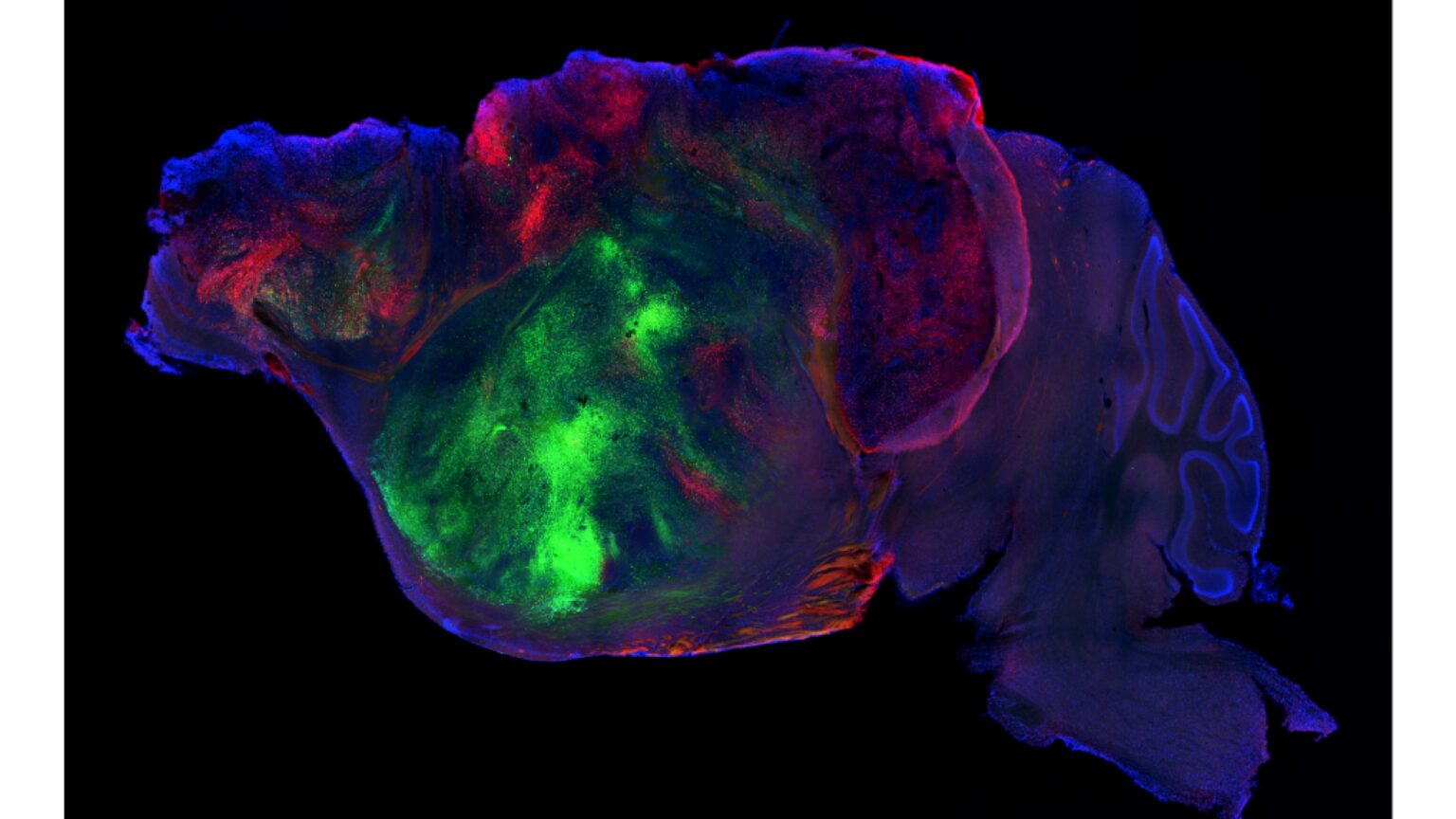
Over 85 percent of implanted organoids successfully integrated. Human cells contributed 92 percent of all cells in the cortex area.
Cells formed the right types
The human cells formed all major neuron types found in the cortex. They also created long-distance connections reaching as far as the spinal cord.
But structure was missing
While similar cell types clustered together, the distinct layers of a normal cortex never formed. Larger-scale organization was lacking.
Behavior fell in between
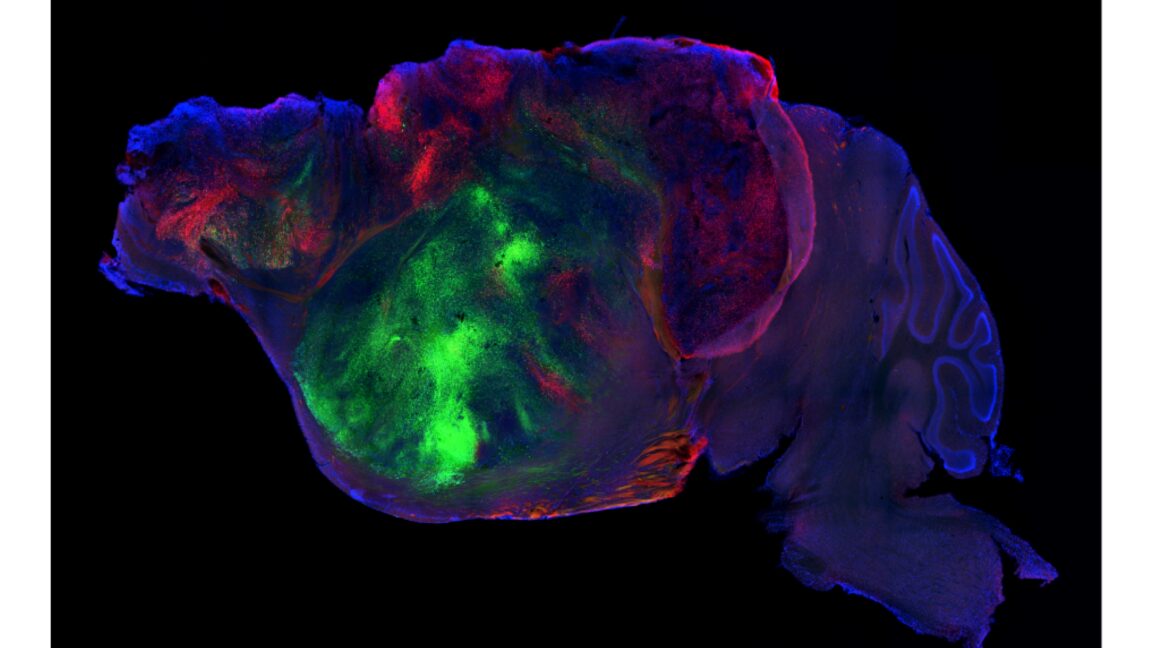
Mice with humanized cortexes showed behavior patterns distinct from both normal mice and those without cortexes. They formed a third cluster.
Memory partially restored
In maze tests, humanized mice performed better than chance but worse than normal mice. On associative memory tests, they did no better than cortex-free mice.
Motor skills improved slightly
On fine motor coordination tests, mice with human implants scored between normal and cortex-free mice. The human cells provided some functional benefit.
More work needed
Researchers haven't yet studied what structures the human cells form or how they vary between individuals. It's too early to link improvements to specific functions.
Not ready for disease models
The disorganized connections may never make these brains good models for complex neural diseases like ALS. Further characterization is needed first.
In short
Human brain organoids can partially replace a mouse's cortex and restore some function, creating a new way to study human brain diseases.