From Inc · · 40s
NASA Beats Psychological Trap in Team Projects
Shorter sprints beat long timelines for faster project results.
In brief
Shorter sprints beat long timelines for faster project results. NASA reduced Artemis moon missions from three years to ten months by using shorter sprints to avoid the progression fallacy. Originally reported by Inc.
The Progression Fallacy
Teams take as long as given to complete work, with most done in the last week.
“When I run my leadership development programs, I ask teams how long they’d take to do a project if they had a month. They all say a month.”
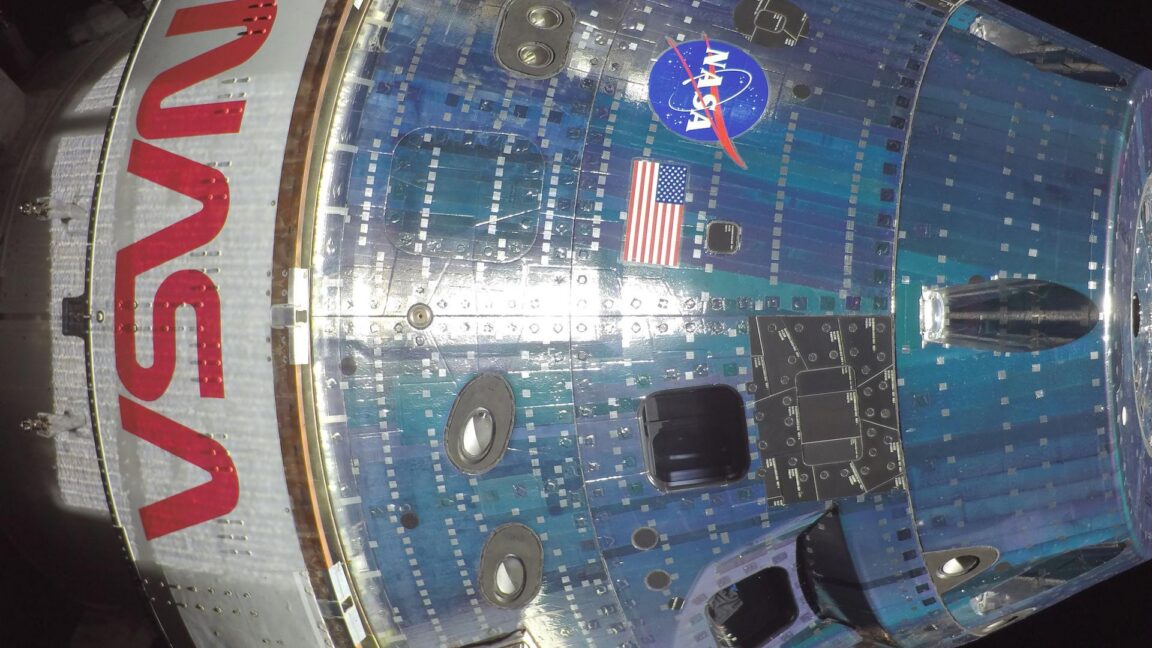
NASA's Artemis Timeline
NASA reduced Artemis moon missions from three years to ten months using shorter sprints.
“He argued that an annual launch rhythm would build muscle memory, knowledge, and confidence.”
Progression Fallacy Study
Researchers found teams with open timelines spent too much time on early phases before rushing later work.
“Participants with open-ended timelines devoted too much effort to early project phases.”
What it means
NASA reduced Artemis moon missions from three years to ten months by using shorter sprints to avoid the progression fallacy.
Read the TL;DR — this story on one card.