From NPR · · 3m
Life After Charlie Kirk: Turning Point USA's Uncertain Future
One year after Charlie Kirk's assassination, his conservative youth movement faces leadership voids, policy rifts, and fading student enthusiasm.
In brief
One year after Charlie Kirk's assassination, his conservative youth movement faces leadership voids, policy rifts, and fading student enthusiasm. Without Charlie Kirk's direct appeal, Turning Point USA is struggling to keep young conservatives united amidst growing party divides. Originally reported by NPR.
A shocking loss on campus

When news spread that Charlie Kirk was fatally shot at Utah Valley University, young conservatives across the nation experienced grief and an immediate impulse to organize.
“I feel like there [were] many of us who had that wake-up call.”
An initial rush to join
In the days immediately following the shooting, Turning Point USA saw a massive wave of student applications to launch new campus chapters.
“I think I submitted the request to start a chapter six times.”
A new leader steps forward
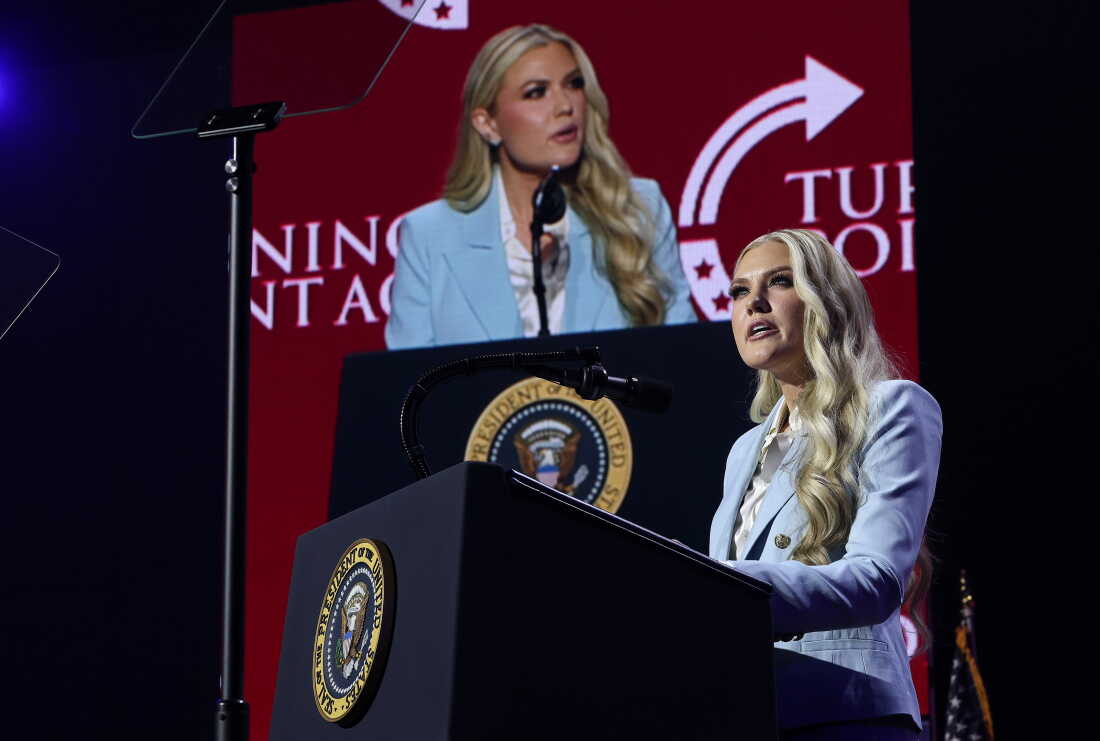
Erika Kirk assumed control of the organization as chief executive, declaring that her husband's mission across the country would only grow stronger.
“You have no idea what you've just unleashed across this entire country, and this world.”
Cracks beneath the surface
One year later, the movement is struggling to stay united as students deal with a leadership void and widening political disagreements.
Students feeling adrift

Members miss Kirk's ability to visit campuses and directly address young people's concerns, regardless of whether they agreed with him.
“There's no one else that was quite at that level of plugged in.”
Breaking away to start anew
Some former student chapter leaders have left Turning Point USA to create independent groups aimed at constructive regional action.
Turning Point claims expansion
Organization spokespeople acknowledge ongoing challenges but report expanding to more than one million students across 5,000 active chapters.
A direct line to Washington
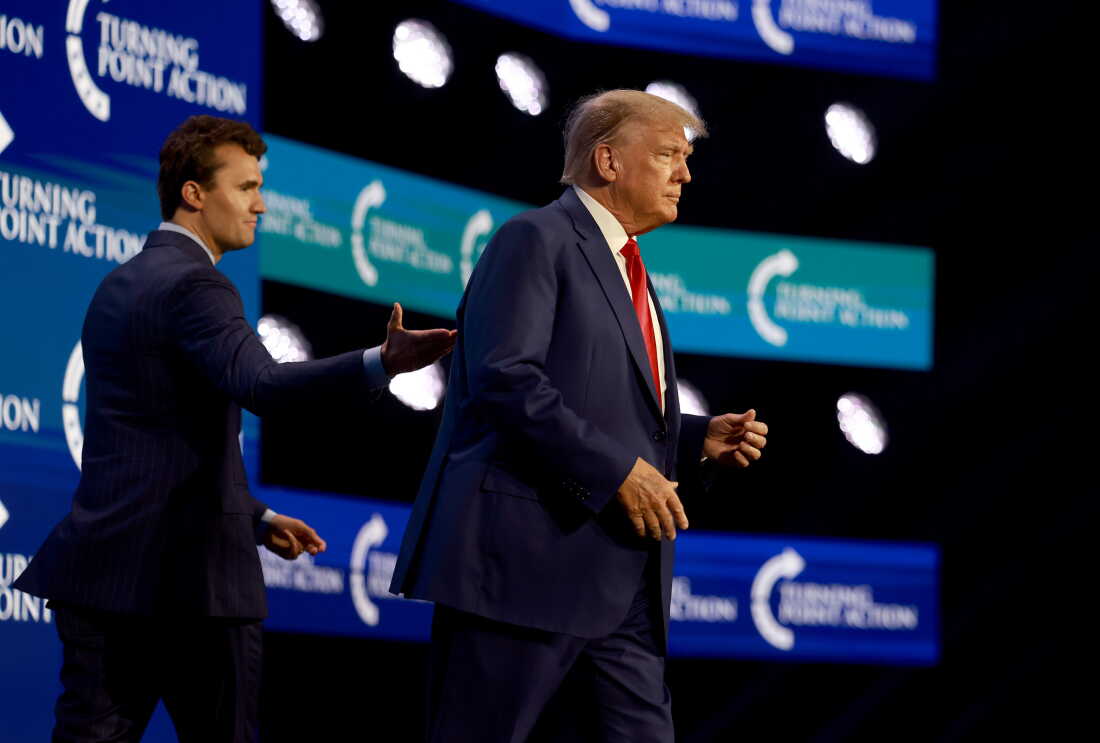
Kirk served as a bridge between Gen Z conservatives and top White House staff, translating youth sentiment directly to the president.
Built on campus debate
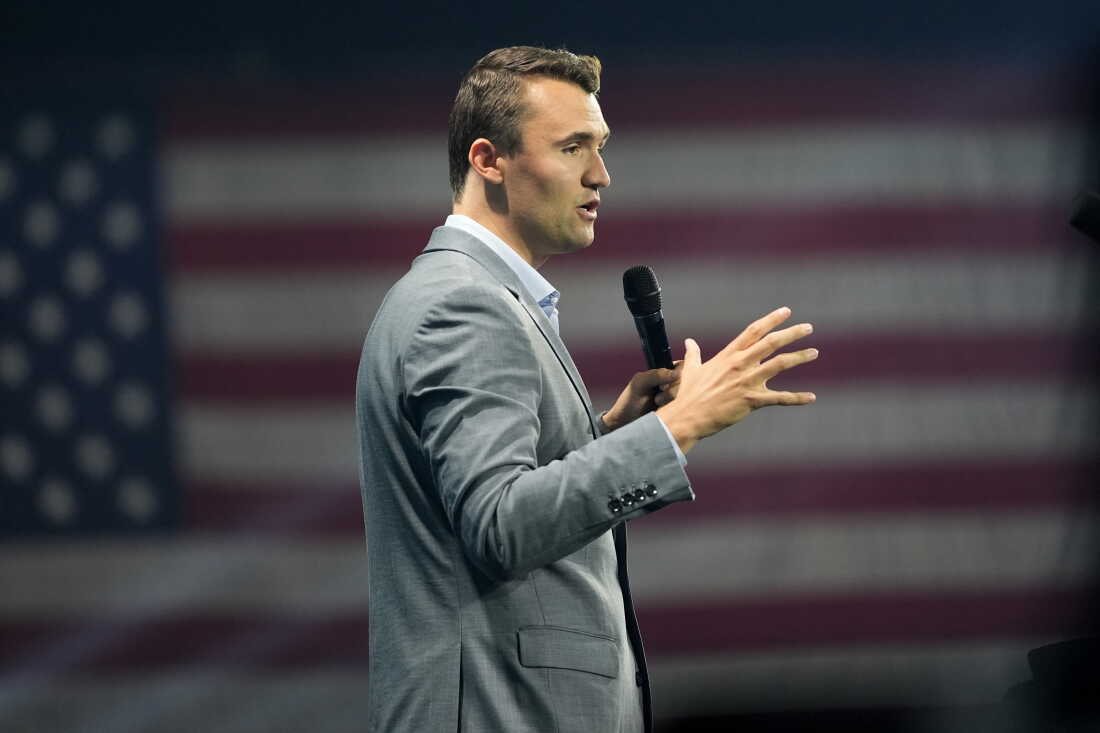
While critics attacked his rhetoric on race and immigration, Kirk built his following through unfiltered live debates at university campuses.
Erosion of political agency
Pollsters note that young right-leaning voters felt heard by Kirk, making his death feel like a blow to their political influence.
“His name is mentioned on an ongoing basis, literally every single month.”
Keynote rallies replace open debate
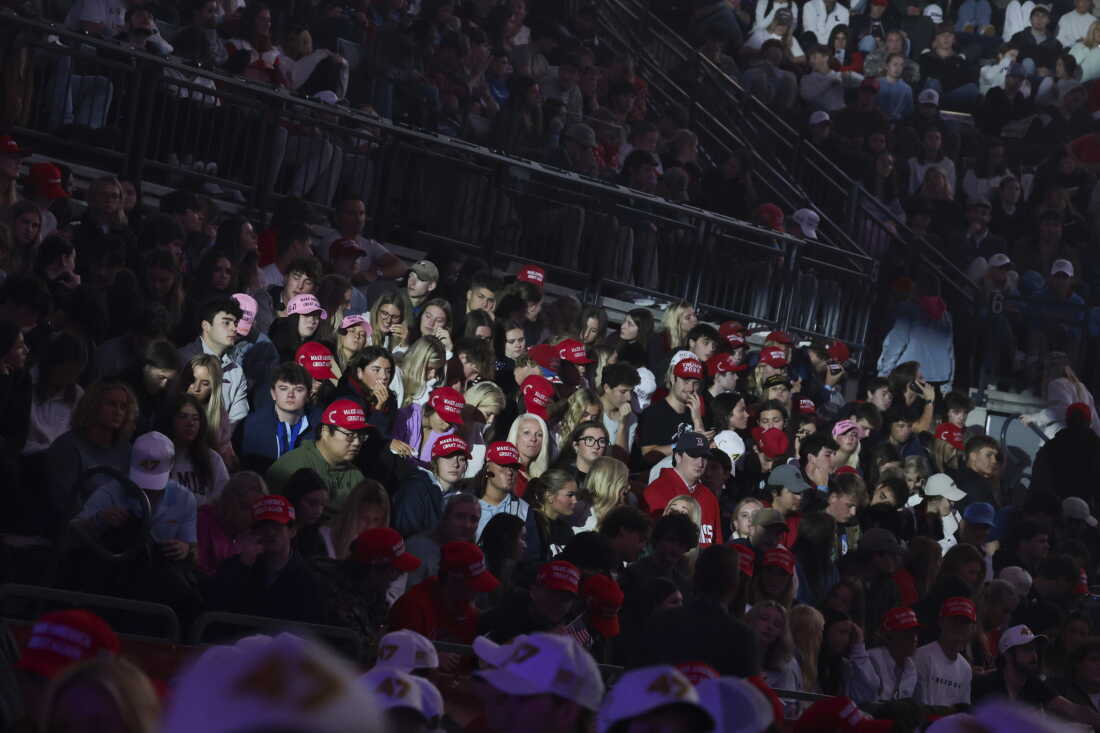
Turning Point replaced Kirk's open sessions with structured speaker events, but these new formats have seen mixed turnout.
Falling approval for leaders
Support for President Trump among conservative voters under 35 dropped from 92 percent down to 57 percent by early 2026.
Deepening foreign policy divides
Military actions involving Iran and policy toward Israel have sparked sharp disagreements between younger conservatives and party leadership.
“Charlie was the glue that held us together.”
Conspiracy theories damage trust
Unfounded theories about Kirk's death promoted by prominent right-wing figures online have alienated potential campus members.
“The conspiracies revolving around Charlie Kirk's assassination [have] really tanked the credibility of Turning Point.”
Fading enthusiasm on campus
Student organizers report that defending current administration policies has become exhausting, leading some to step back.
“Some of this stuff is just infuriating, and you can't defend any of it.”
Shifting focus to local issues
Without Kirk to unite national messaging, local campus leaders plan to center discussions on specific policy issues rather than national figures.
The key point
Without Charlie Kirk's direct appeal, Turning Point USA is struggling to keep young conservatives united amidst growing party divides.

/file/attachments/orphans/mphego-court-caryn2_236334.jpg)


/file/dailymaverick/wp-content/uploads/2024/01/Merten-explainer-2024elections-MAIN.jpg)