From Wellbeing Magazine · Editorial Team · · 2m
What recovery looks like when speech goes
Losing speech changes far more than conversation, and getting it back rarely runs in a straight line.
In brief
Losing speech changes far more than conversation, and getting it back rarely runs in a straight line. Recovery moves in stages, not on a schedule. Communicating well within the speech you regain matters more than sounding exactly like you used to. Originally reported by Wellbeing Magazine.
It touches more than talking

Speech can vanish overnight after a stroke, or fade across years with Parkinson's or ALS. Either way, ordering food or saying what hurts becomes work. Family usually notices first.
“the change touches far more than conversation”
The cause sets the course
Aphasia after a stroke follows a different path than the slow muscle changes of a progressive disease. Neither returns in a straight line to full speech.
Sudden damage or slow erosion
Strokes, brain injuries and tumors damage the language areas, usually on the brain's left side. Parkinson's weakens breath support instead, and ALS can take the mouth and tongue. About 1 in 250 Americans has aphasia.
A pathologist runs the plan
Once things are medically stable, a speech-language pathologist takes over. They train for years and pass a national certification exam before treating speech, language, voice and swallowing.
Start small on purpose
The first sessions map exactly what broke, since aphasia can hit understanding, speaking, reading or writing in any combination. Early goals are naming an object, or answering yes or no.
Brain and muscles both retrain
Sessions pair language drills with breath control and coordinating lips, tongue and vocal cords, because aphasia and slurred speech often arrive together. Skip the home practice and progress slows.
Picture boards are not defeat
Gestures, picture boards and tablet apps that speak typed words keep a person in the conversation while therapy continues. Some drop them as speech returns, others keep them for good.
“These tools are not a sign that recovery has stalled.”
Family decides what sticks
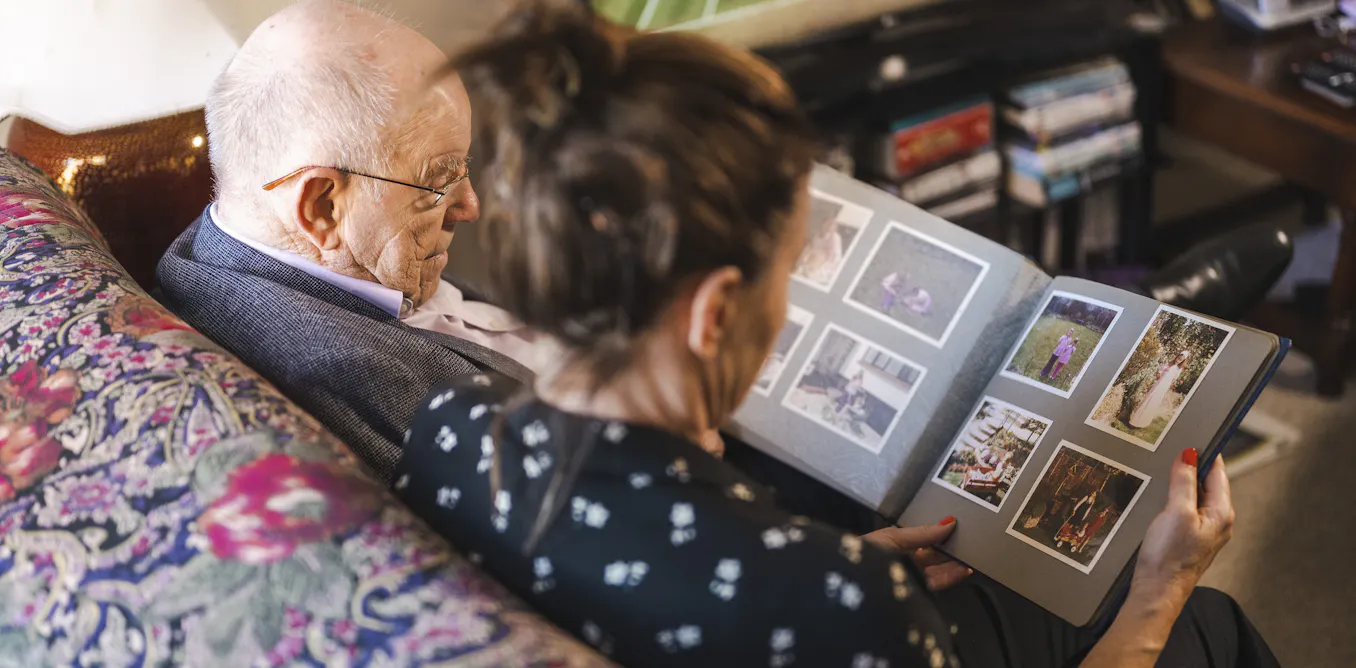
Practicing a phrase in a therapy room is not the same as ordering coffee. Relatives who slow down, ask one question at a time and wait take the pressure off word-finding.
The essence
Recovery moves in stages, not on a schedule. Communicating well within the speech you regain matters more than sounding exactly like you used to.