#astronomy
16 stories

Astronomers find first green star
Scientists discover cosmic zombie star turns green just in time for Halloween.
Space · 1m
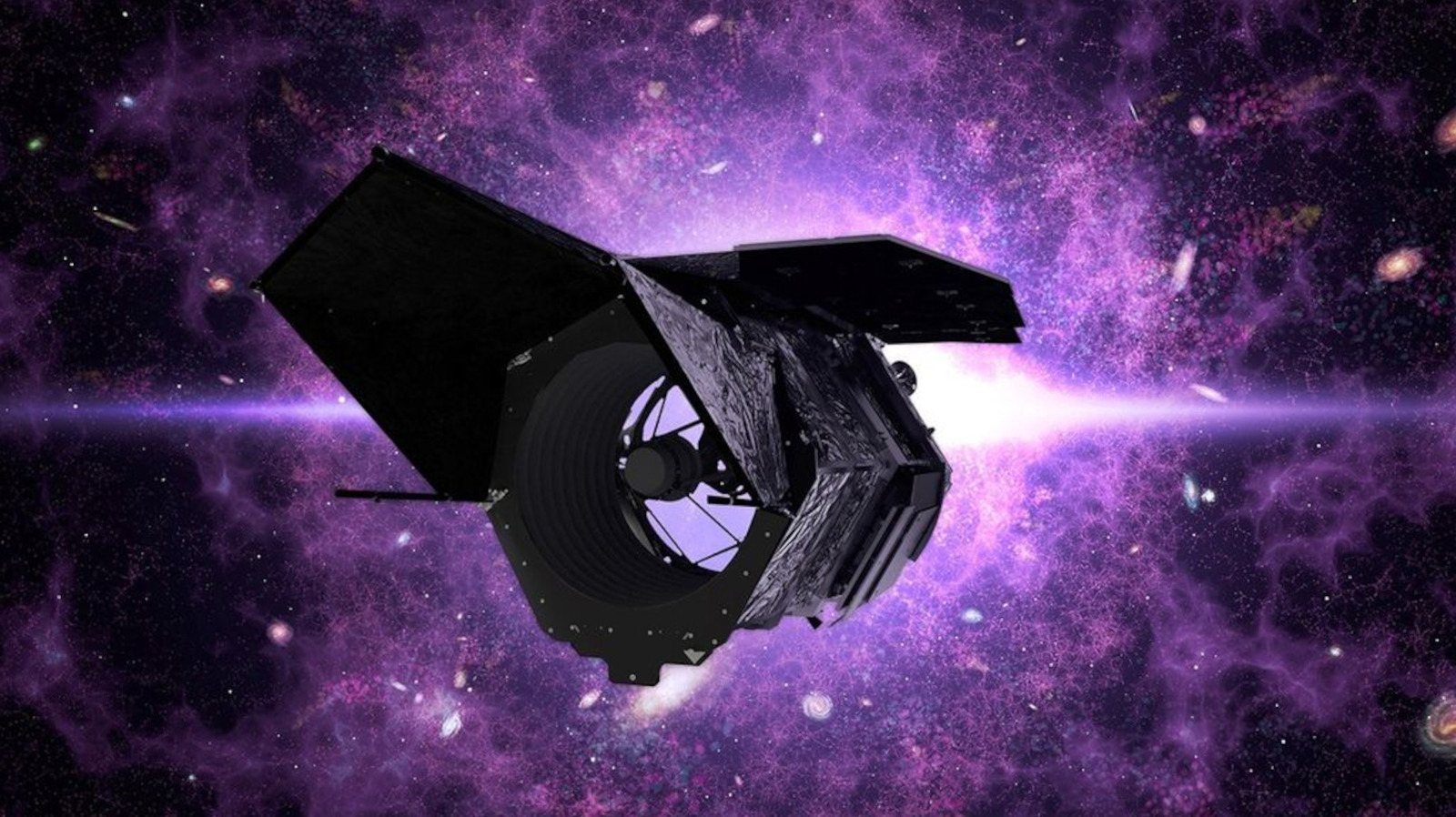
Nancy Grace Roman Telescope vs James Webb
Roman telescope surveys vast sky for new stars while Webb zooms on details.
Jalopnik · 1m

Medieval supernova revealed in stunning detail
The Gemini North telescope has captured the clearest image yet of Pa 30, a nebula from a supernova witnessed by Chinese and Japanese astronomers in 1181.
WIRED · 1m
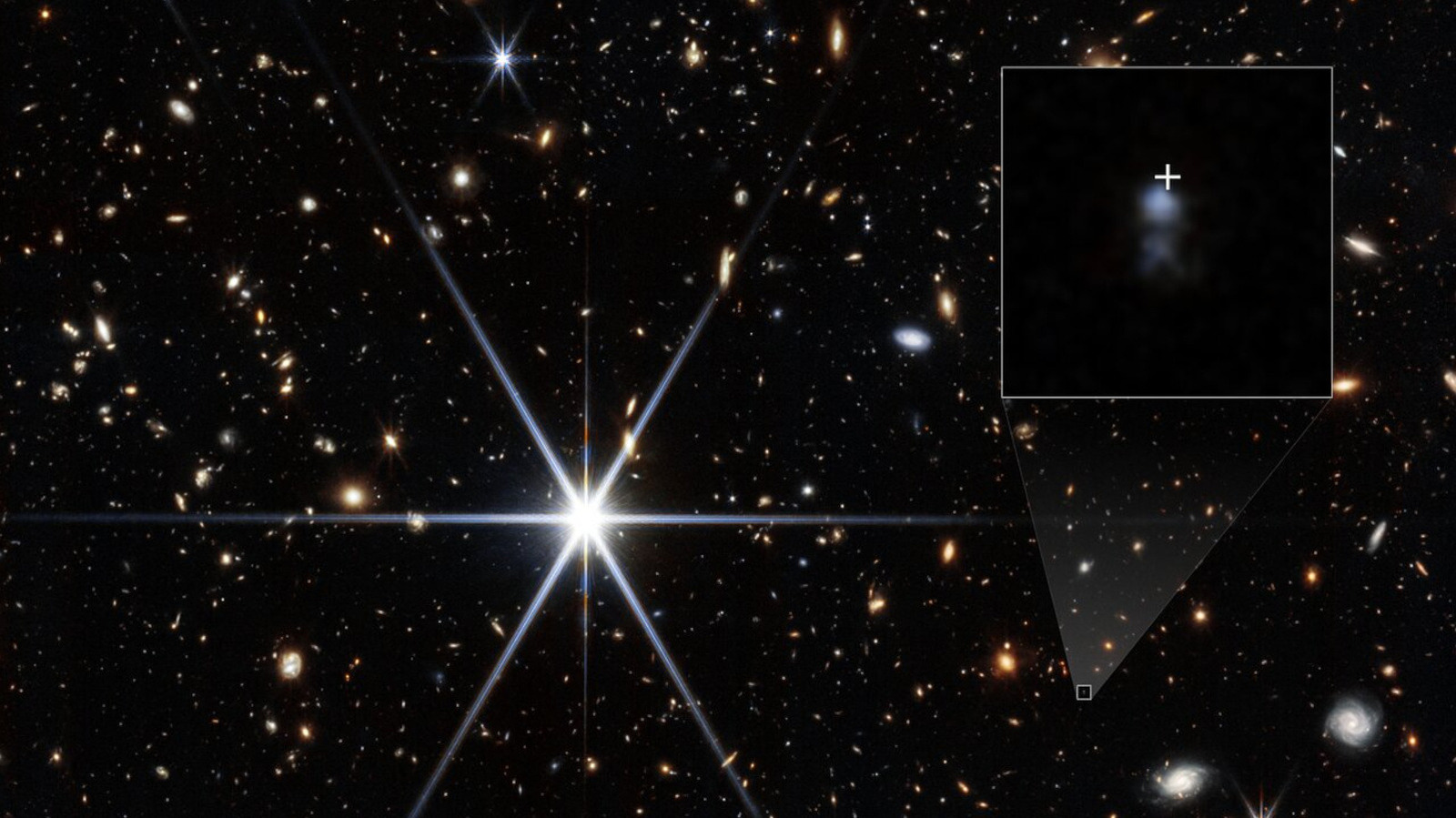
Webb finds the galaxy behind the farthest radio burst
The James Webb telescope has pinpointed the origin of a fast radio burst detected in 2024, revealing it came from an unexpectedly small galaxy just 3 billion years after the Big Bang.
Engadget · 1m

Astronomers detect most distant radio burst ever
A flash of radio waves that travelled for over 10 billion years has reached Earth, offering new ways to map the universe.
the Guardian · 1m
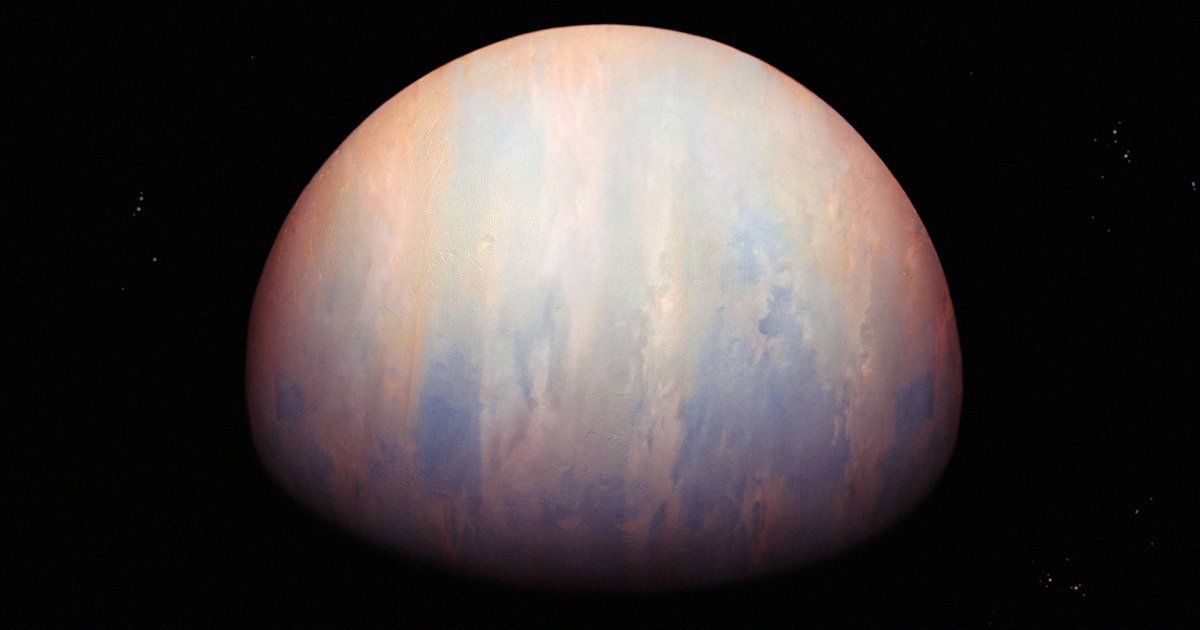
Harvard team detects radio signal from distant exoplanet
Scientists used a South African telescope to pick up natural radio emissions from a gas giant 64 light-years away, revealing its magnetic field for the first time.
Futurism · 1m
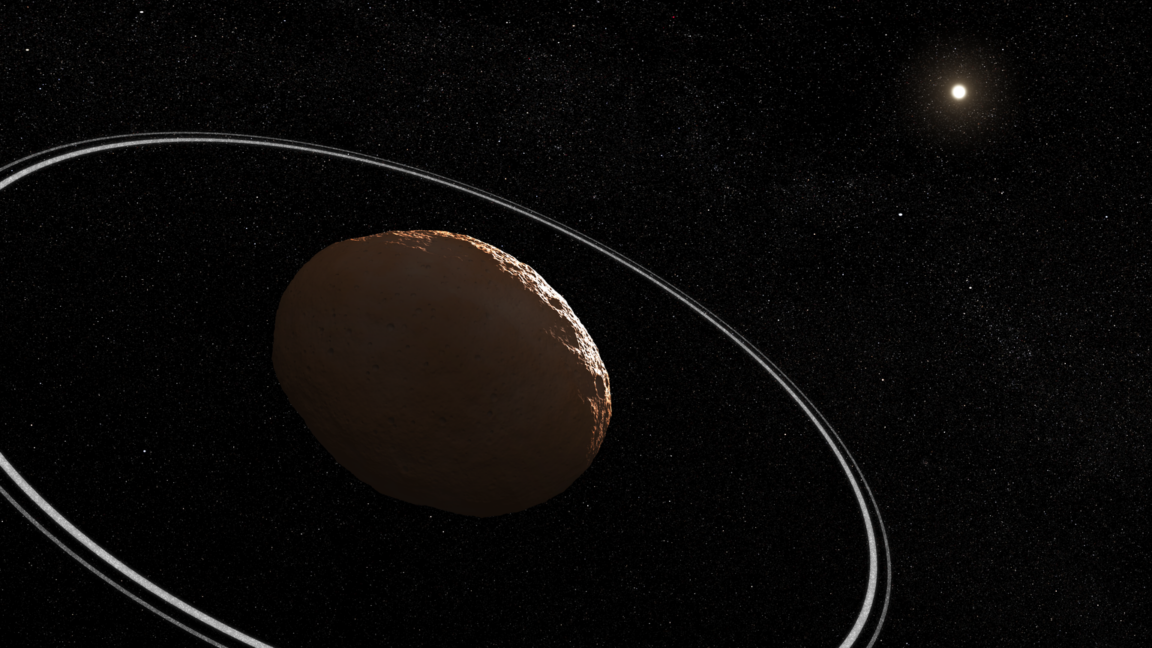
Chariklo's rings are changing fast
A tiny body between Saturn and Uranus has rings that have shifted dramatically in just a decade, puzzling astronomers.
Ars Technica · 2m
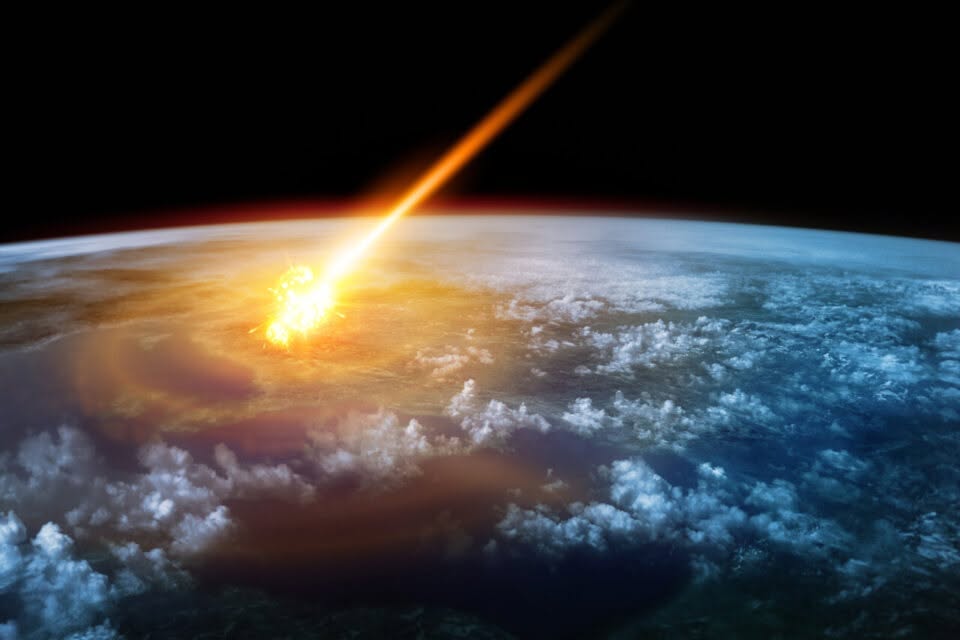
Meteor tracking nonprofit crippled by cyberattack
The International Meteor Organization says it will take weeks to recover from the attack on its aging infrastructure.
Ars Technica · 1m · 8 views
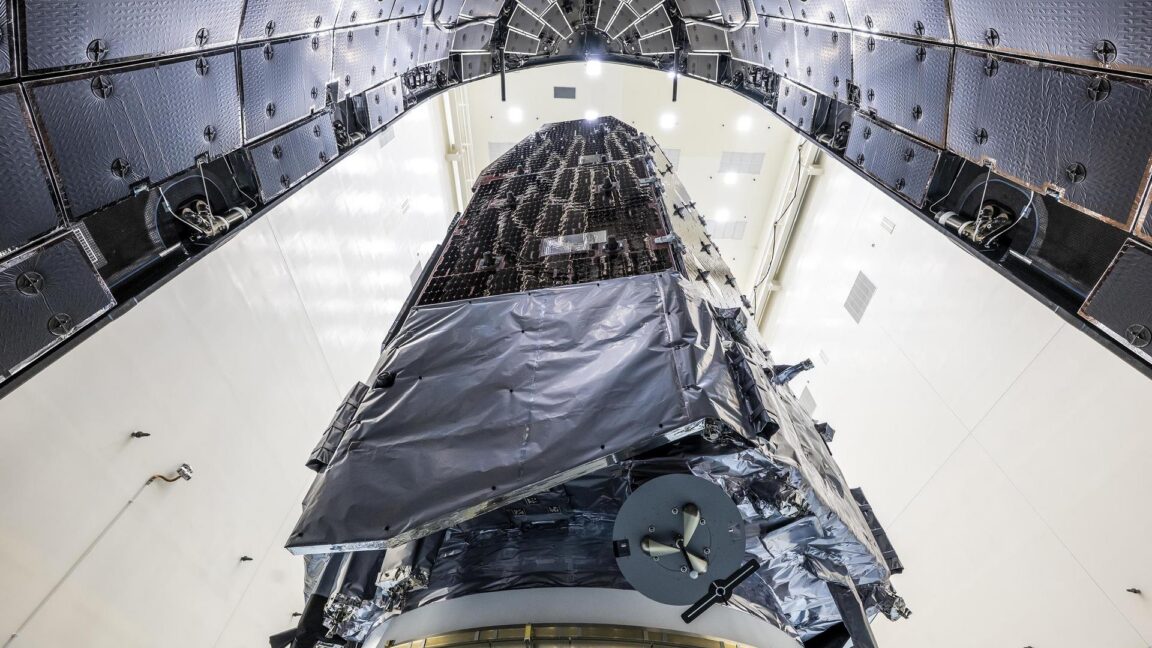
Roman’s fuel windfall could buy decades of science
A near-perfect launch left NASA’s Roman telescope with enough fuel for at least 22 years at its deep-space perch.
Ars Technica · 2m

Look up Sept. 19: it's Observe the Moon Night
NASA's worldwide Moon party lands Sept. 19, and your backyard counts as a venue.
Dallas Express · 1m
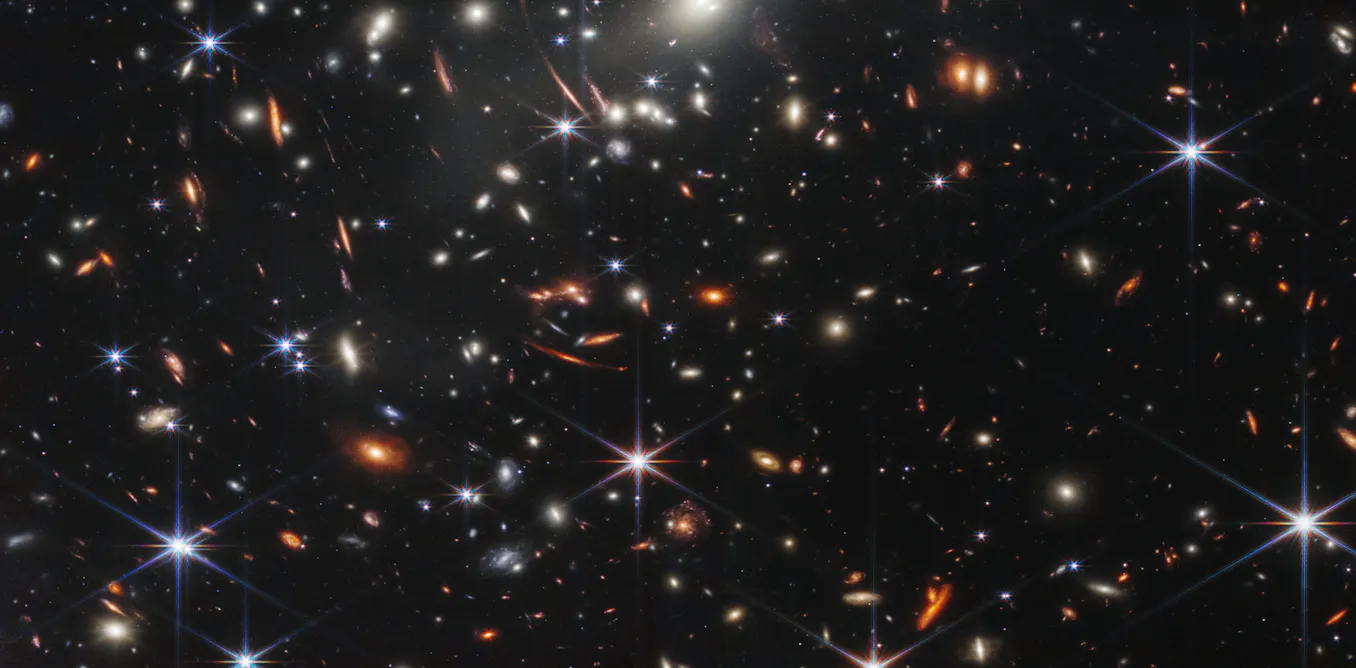
Gravity is the telescope that finds hidden planets
NASA's Roman telescope will spot worlds it can never see, by watching stars flare up when gravity bends light.
The Conversation · 2m

Mercury is shrinking faster than we knew
New MESSENGER maps show the solar system's smallest planet has lost up to 14 miles, 30% more contraction than astronomers counted.
New York Post · 1m
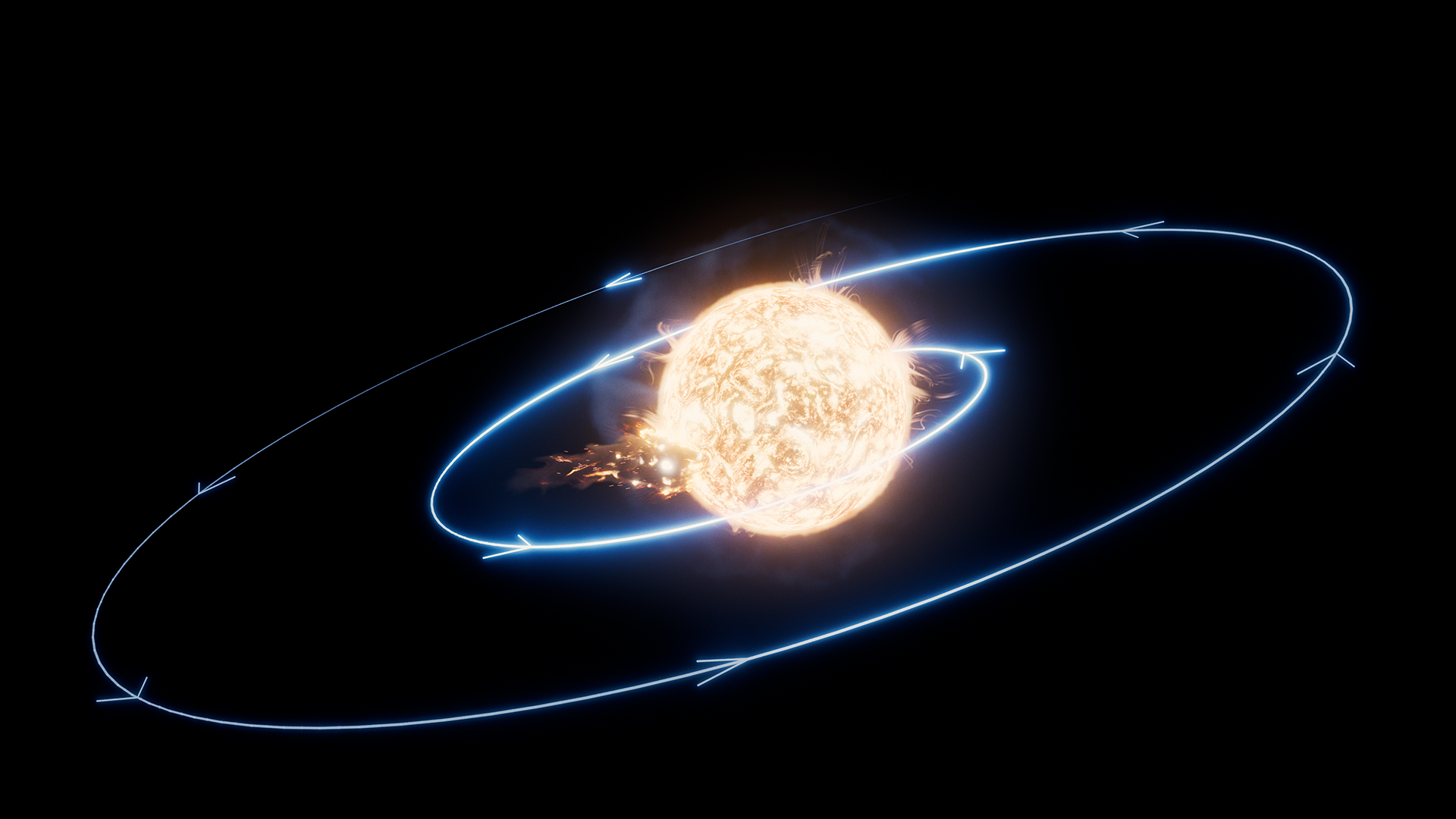
Did the young Sun eat a planet?
A new model says the Sun may still carry the chemical scars of a super-Earth it swallowed billions of years ago.
The Royal Astronomical Society · 2m

The Moon is just getting started again
A 5% sliver on September 13 is the opening frame of a cycle that runs about 29.5 days.
Mashable · 1m

Did the sun swallow our missing super-Earth?
A Turkish astronomer thinks the sun ate the planet our solar system should have had, and left the evidence inside itself.
Mashable · 1m
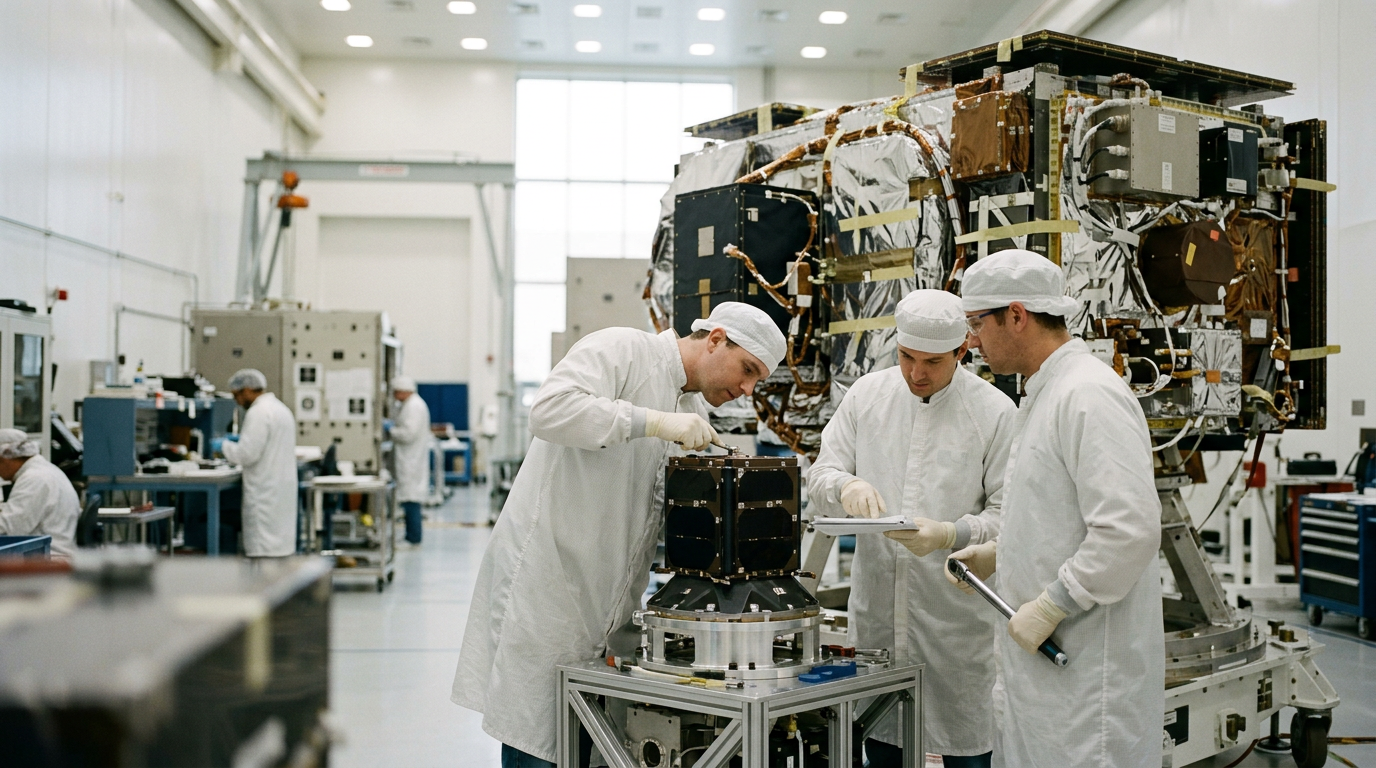
Europe's $2 Billion BepiColombo Probe Prepares to Orbit Mercury
After eight years and nine planetary flybys, BepiColombo is shedding its cruise module for a risky insertion into Mercury's orbit.
Ars Technica · 2m