#planetary science
6 stories

NASA's Venus missions back on track after budget crisis
Two NASA probes to Venus in the early 2030s survived budget cuts and are now accelerating toward launch, ending a 30-year gap in US Venus exploration.
Ars Technica · 3m

Venus' haze is actually cosmic dust
Planetary scientists have solved a fifty-year mystery about Venus' lower atmosphere: it is made of particles from burned-up meteorites.
Ars Technica · 2m

Venus May Have Devoured Its Moon
Venus could have swallowed its moon through slow rotation, not a collision.
WIRED · 1m

Venus may have eaten its own moon
A new study explains why Venus lacks a moon while Earth has one: the planet's slow rotation dooms any satellite to crash.
Mashable · 2m
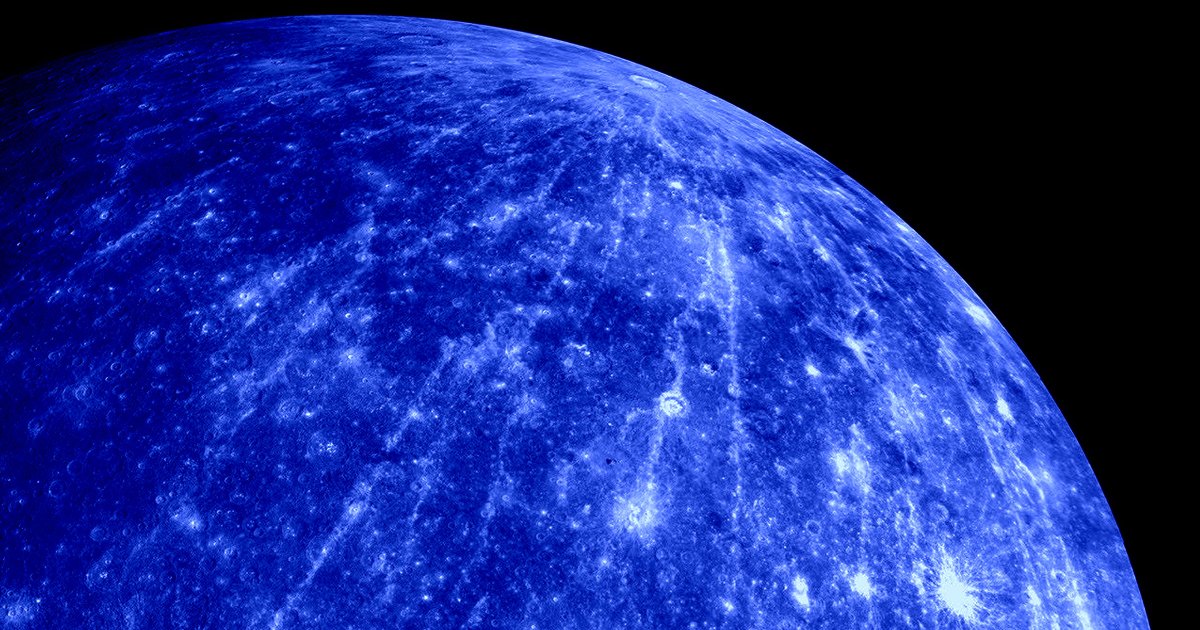
Mercury is shrinking faster than we thought
A new study says the solar system's smallest planet has lost up to 14.5 miles of diameter, and its wrinkled crust hid the evidence.
Futurism · 1m

Mercury is shrinking faster than we knew
New MESSENGER maps show the solar system's smallest planet has lost up to 14 miles, 30% more contraction than astronomers counted.
New York Post · 1m