#astrophysics
10 stories
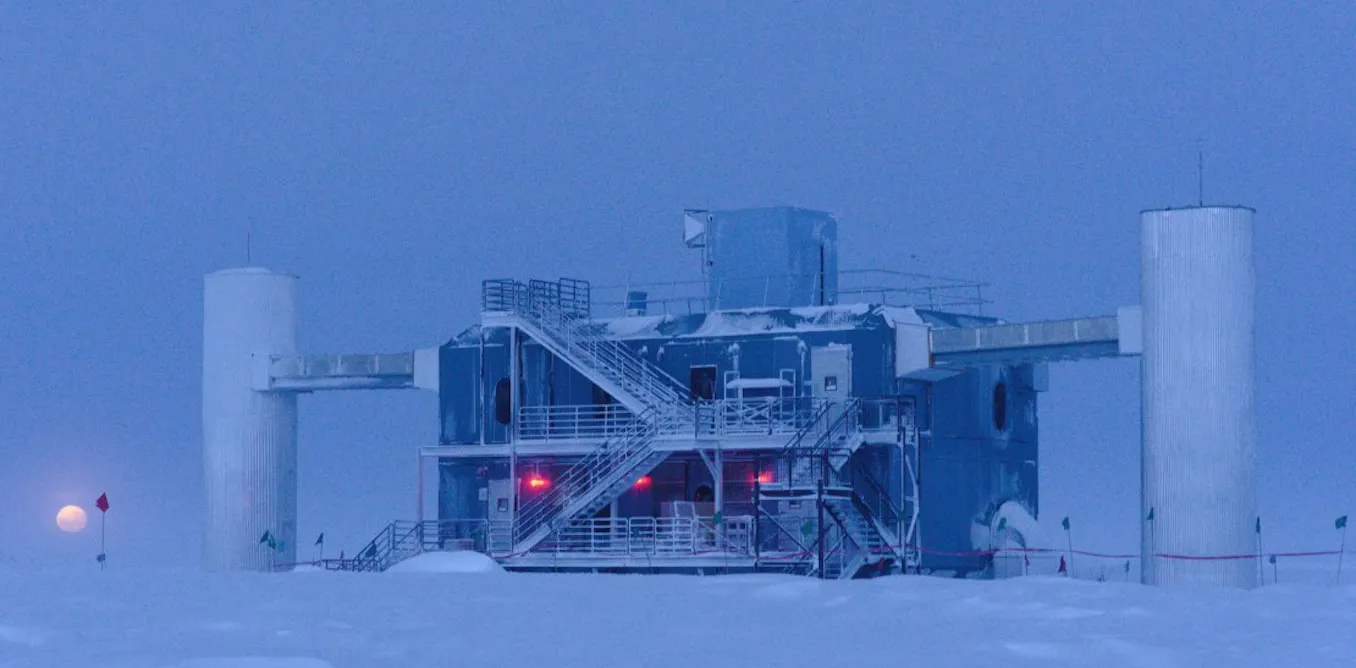
Physics Nobel highlights Antarctica’s role in exploring the cosmos
Antarctica’s extreme environment helps scientists explore the cosmos, winning the 2026 Nobel Prize for IceCube neutrino research.
The Conversation · 1m
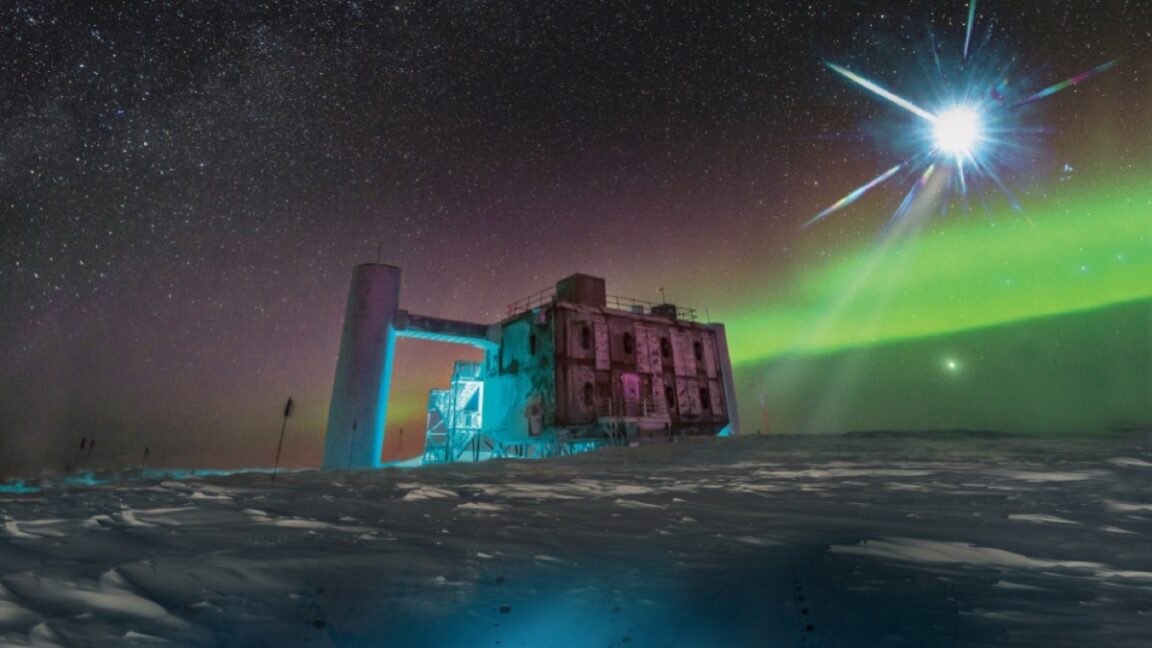
Neutrino physicist wins 2026 Nobel Physics Prize
Francis Halzen of the University of Wisconsin, Madison wins the Nobel Prize in Physics for building IceCube, an Antarctic observatory that detects high-energy neutrinos from distant galaxies.
Ars Technica · 4m

Brian May Rules Out Queen Tours
Brian May confirms Queen will not tour again after 18 months of decision.
Loudwire · 1m

Venus May Have Devoured Its Moon
Venus could have swallowed its moon through slow rotation, not a collision.
WIRED · 1m
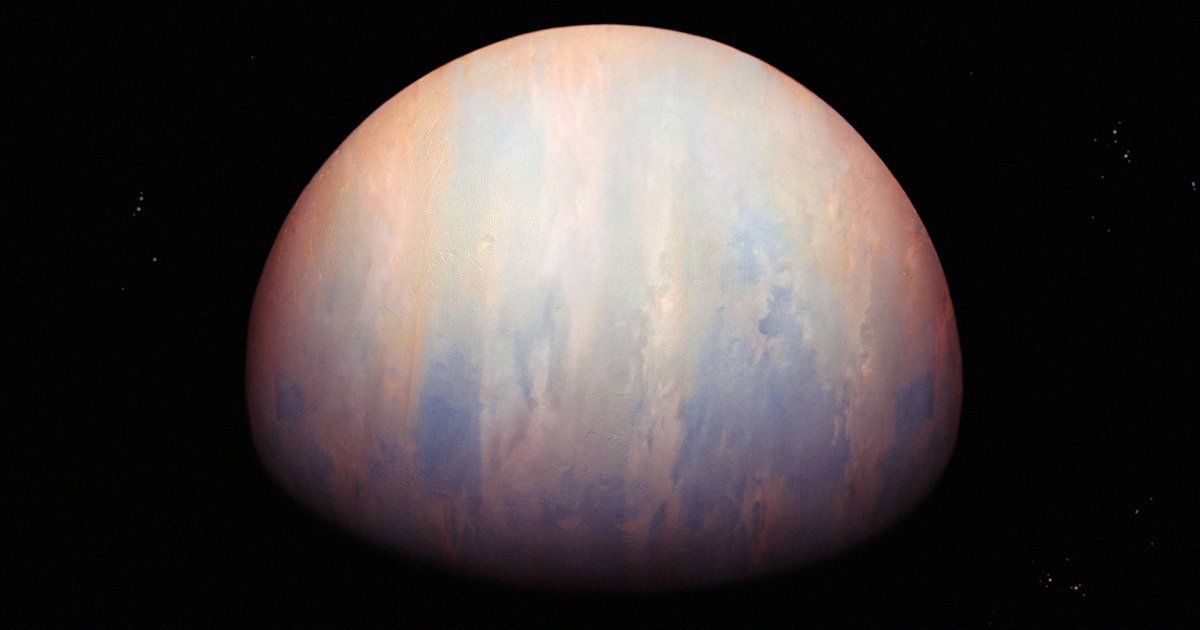
Harvard team detects radio signal from distant exoplanet
Scientists used a South African telescope to pick up natural radio emissions from a gas giant 64 light-years away, revealing its magnetic field for the first time.
Futurism · 1m
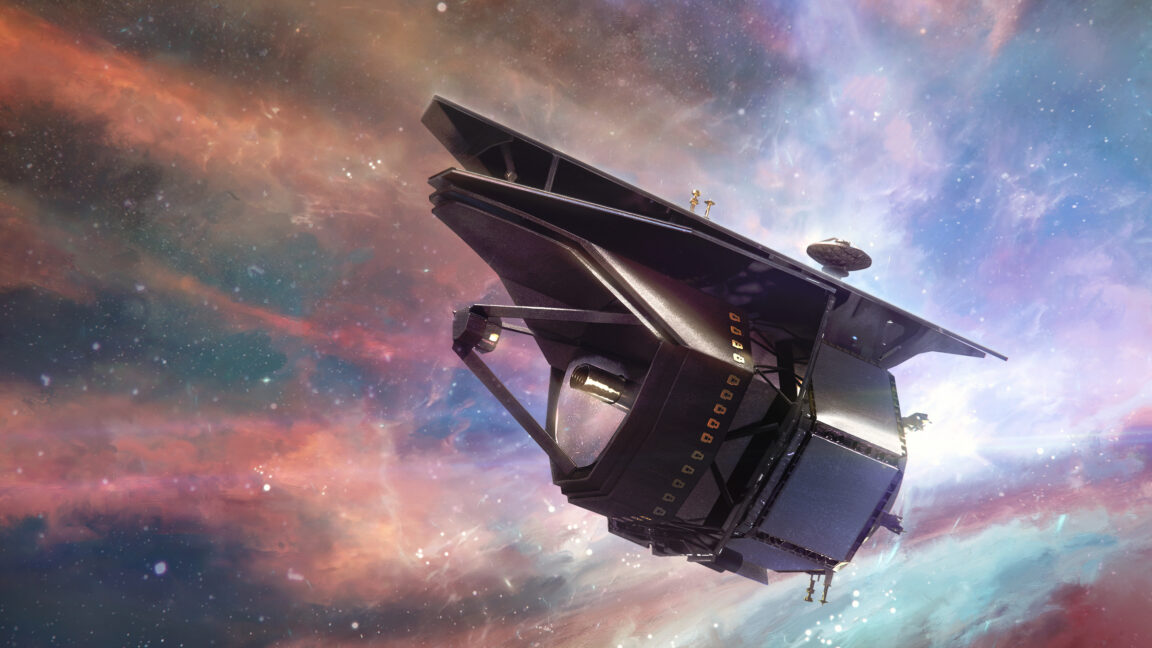
NASA's billion-dollar infrared telescope aims for 2033 launch
PRIMA will be the first of a new class of space observatories designed to do serious science without flagship-level costs.
Ars Technica · 3m
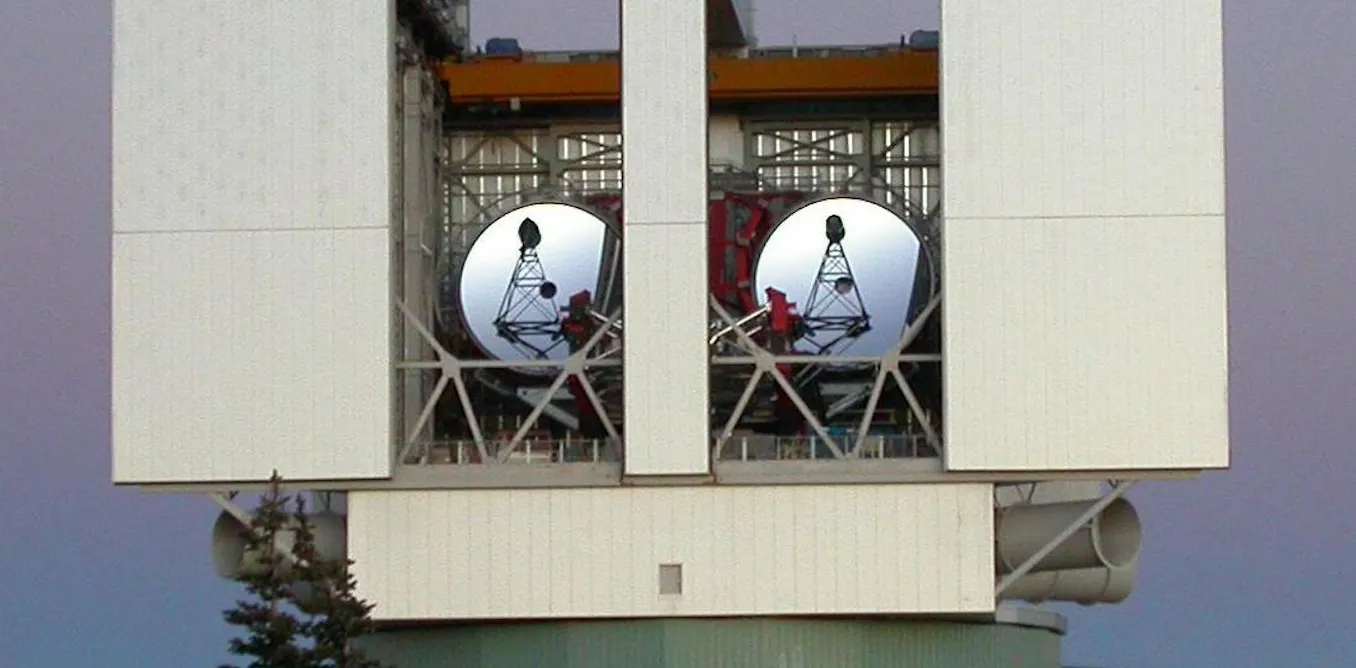
Big Bang Nucleosynthesis makes a cosmic comeback
An overlooked era of the early universe is now outperforming the famous Cosmic Microwave Background at answering fundamental questions about how the cosmos works.
The Conversation · 2m
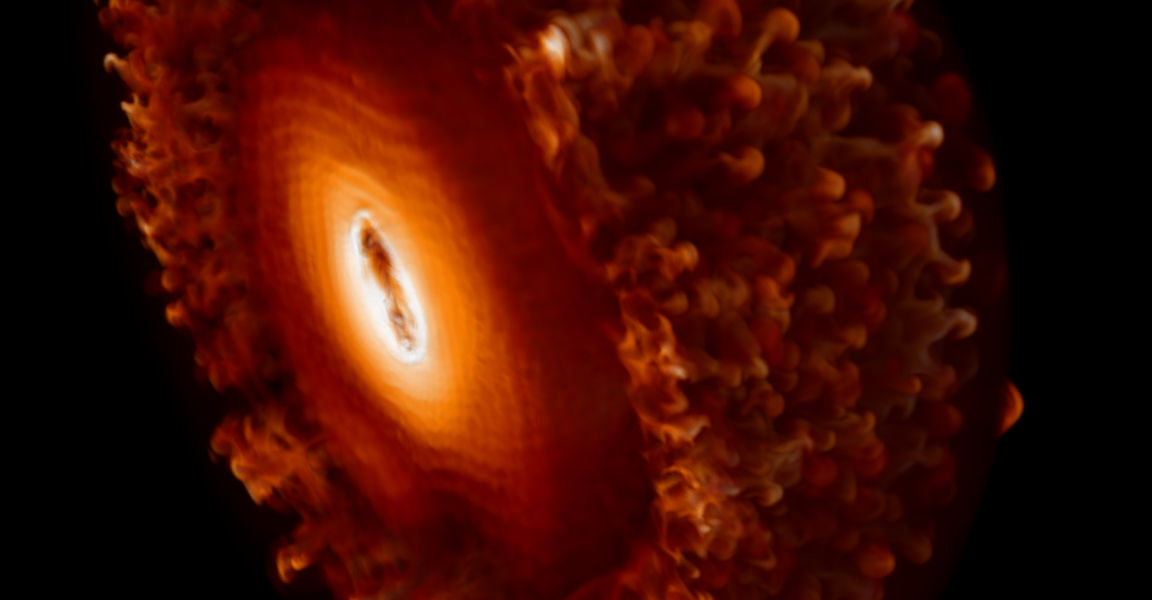
Neutrino identity swaps may explain missing supernovae
New models show that flavor-changing neutrinos could stall stellar explosions, solving a cosmic mystery.
Ars Technica · 2m
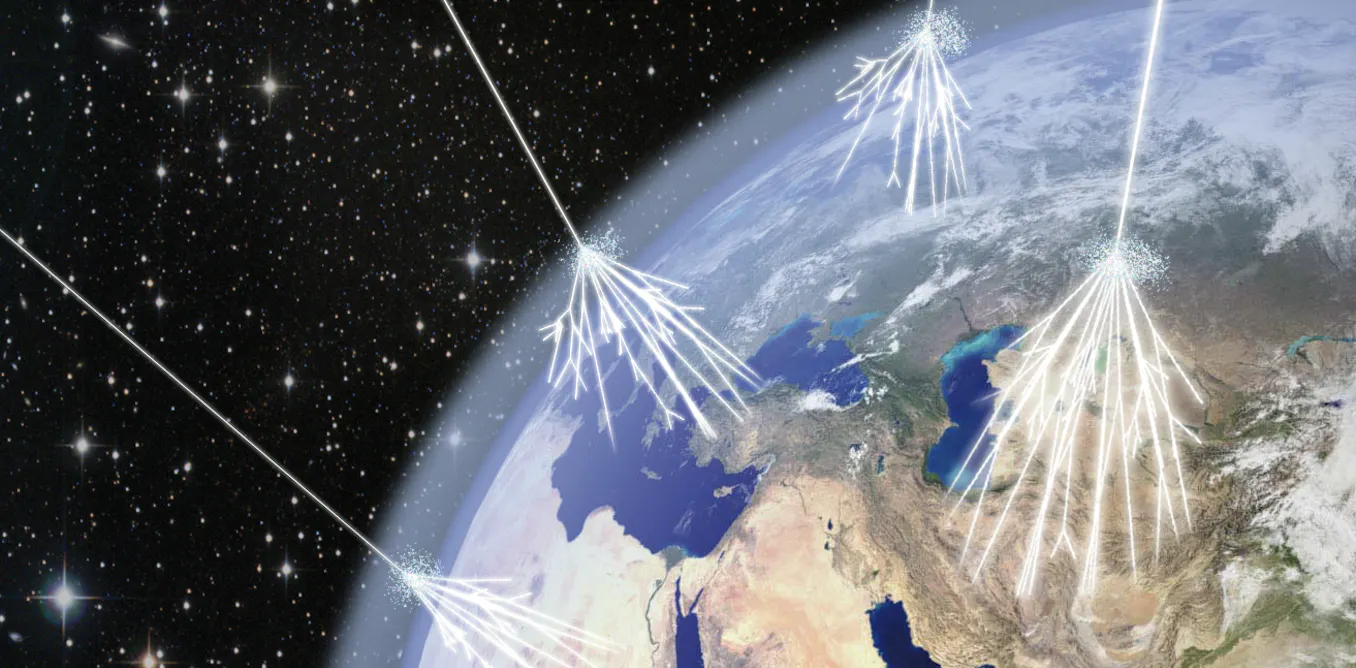
How CERN built a cosmic rainstorm in a lab
Physicists smashed oxygen into protons at the LHC to watch the first instant of a particle shower that normally happens miles above your head.
The Conversation · 2m

Beyond the Spherical Cow: A Multipolar Expansion
Physicists take the famous spherical cow joke to its logical extreme by calculating higher-order multipole moments and gravitational wave emissions.
arXiv · 1m