From Ars Technica · · 2m
Uranium cubes show German bomb project was doomed
Analysis of surviving reactor components reveals Nazi scientists lacked the materials to ever achieve nuclear criticality, contradicting their postwar claims.
In brief
Analysis of surviving reactor components reveals Nazi scientists lacked the materials to ever achieve nuclear criticality, contradicting their postwar claims. Study of uranium cubes from Germany's failed World War II nuclear reactor shows the project could never have succeeded, disproving Werner Heisenberg's claim…
Manhattan Project feared Nazi bomb
During World War II, physicists on the Manhattan Project worried that Nazi Germany might build the first nuclear bomb before the US and its allies could.
Heisenberg claimed they were close
Werner Heisenberg, who led Germany's final nuclear reactor attempt, claimed they were close to success and needed only a little more uranium to achieve criticality.
A mysterious cube arrives
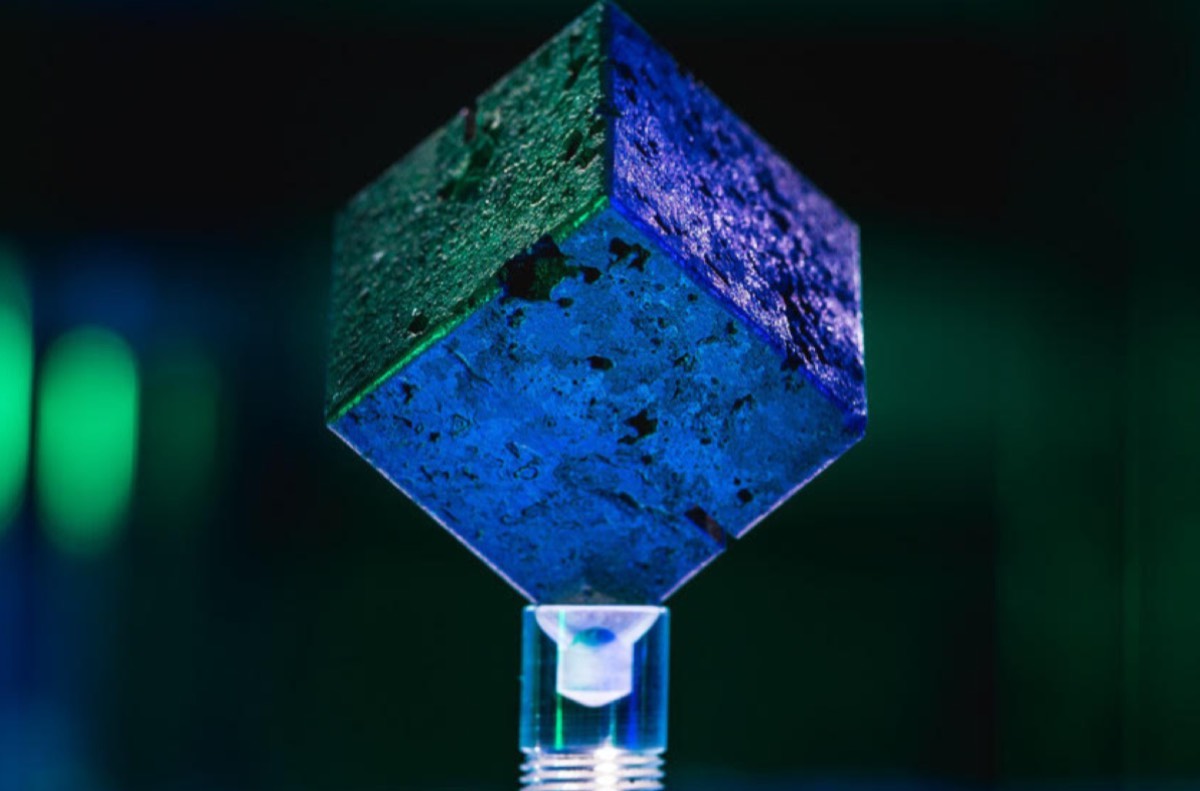
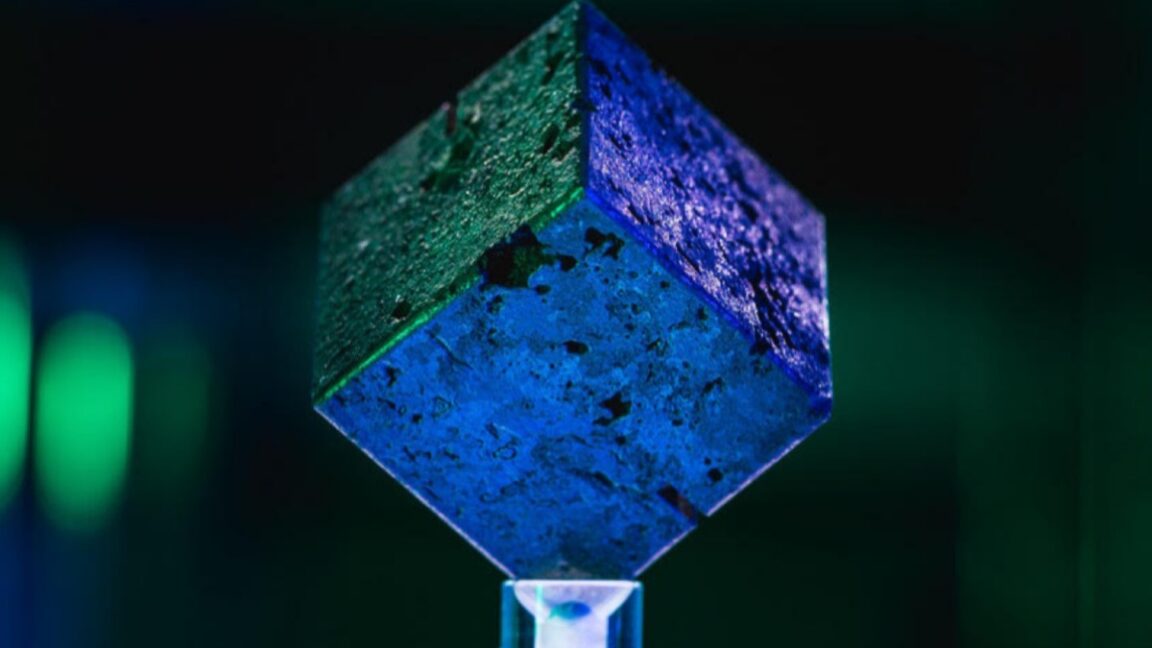
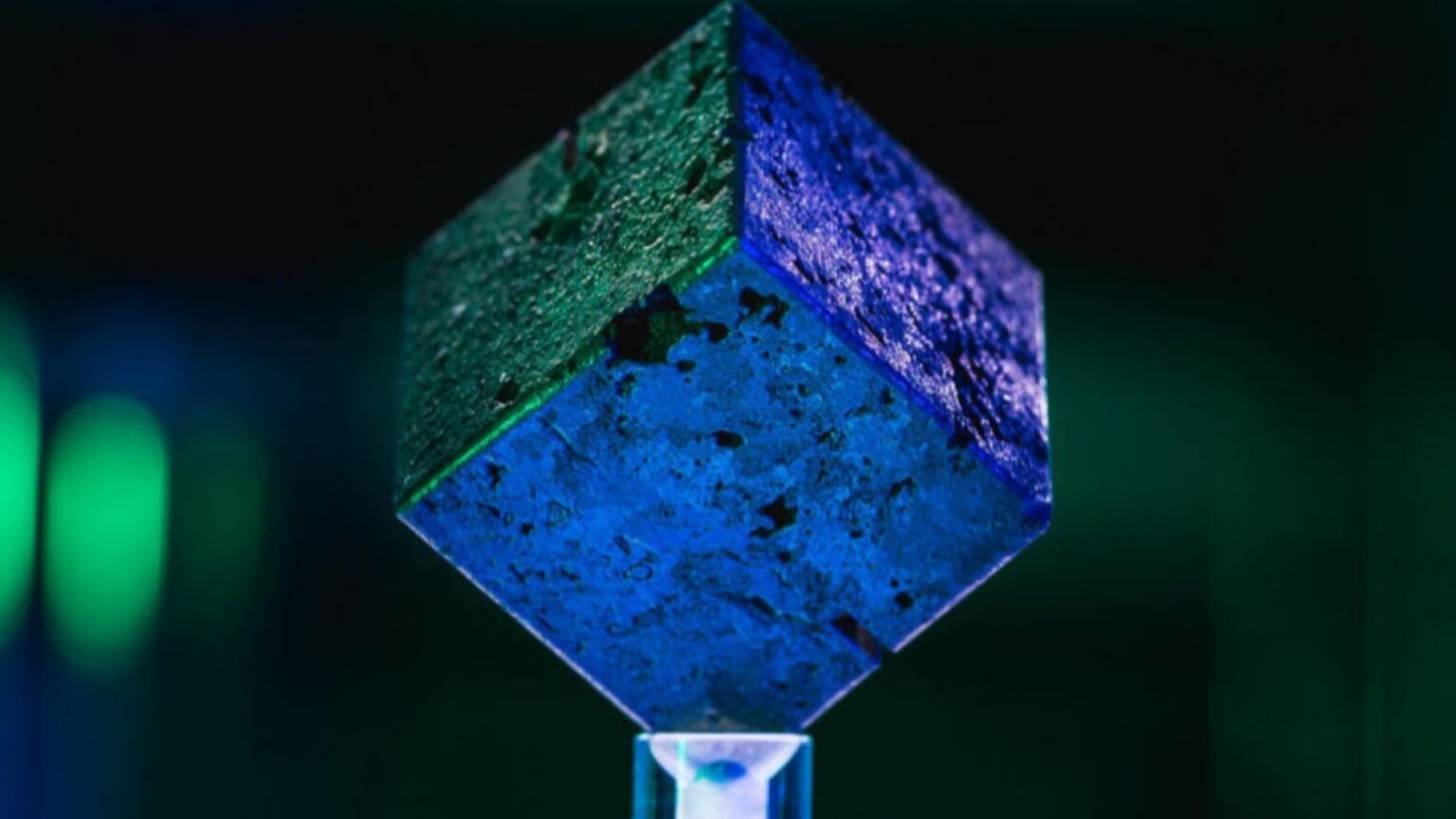
In 2013, University of Maryland physicist Timothy Koeth received a uranium cube from a friend. He recognized it as one used by German scientists in their failed reactor attempt.
Tracking down the cubes
Koeth and graduate student Miriam Hiebert tracked down ten uranium cubes across the US, including ones at the Smithsonian Institute and Harvard University.
The B8 reactor in Haigerloch
As Allied forces advanced in winter 1944, Heisenberg moved his team to a cave under a castle in Haigerloch, where they built the B8 reactor from 664 uranium cubes.
The reactor's design and failure
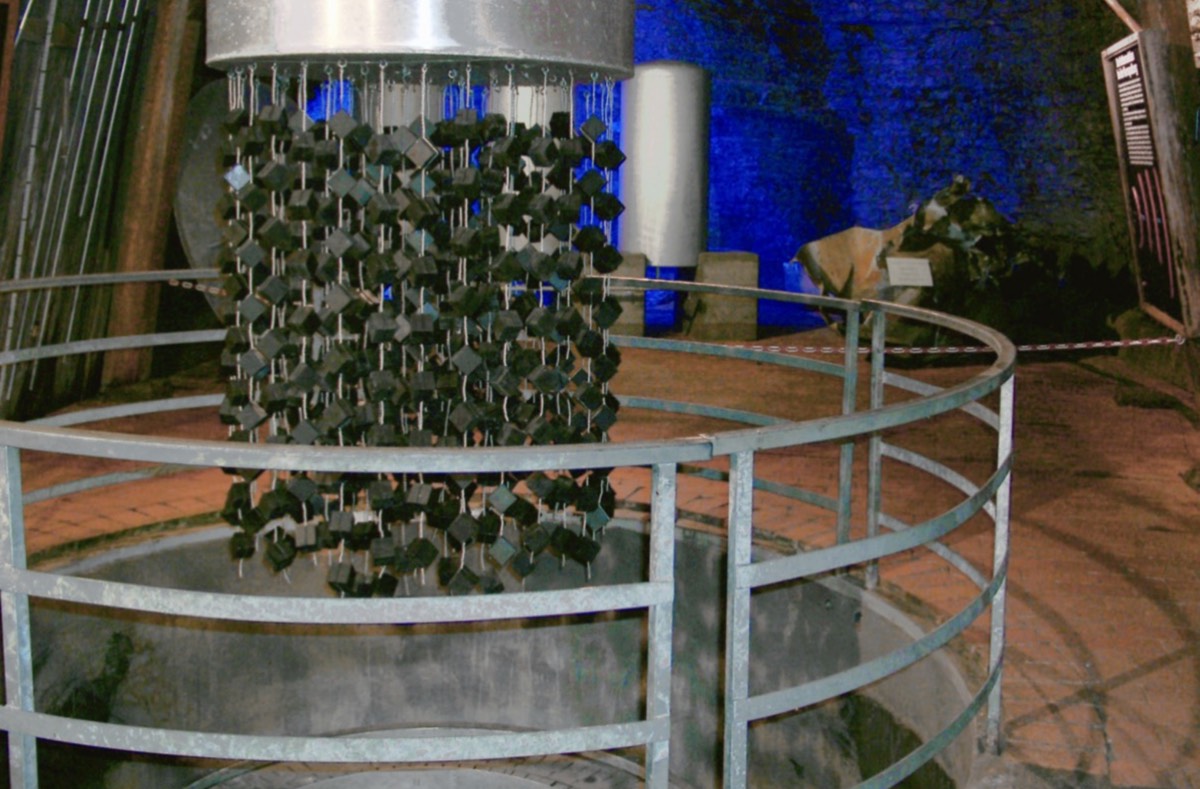
The B8 reactor resembled an ominous chandelier, with uranium cubes strung together with aircraft cable and submerged in heavy water shielded by graphite. It failed to achieve criticality.
“ominous chandelier”
New analysis contradicts Heisenberg
A paper in the Proceedings of the National Academy of Sciences Nexus analyzed surviving uranium cubes and historical records. The B8 reactor would have needed between 1,292 and 1,775 uranium cubes to achieve criticality.
Heavy water shortage was fatal
The B8 reactor would have needed twice the heavy water produced by the Norsk Hydro plant in Vemork, Norway over the entire war. That supply was impossible to obtain.
Graphite impurities sealed the fate
German scientists used metallurgical coke from the Ruhr with twice as many impurities as American coke. The authors concluded no natural uranium graphite-moderated pile could have gone critical with materials available to Germany.
“no natural uranium, graphite-moderated pile could have gone critical”
The short version
Study of uranium cubes from Germany's failed World War II nuclear reactor shows the project could never have succeeded, disproving Werner Heisenberg's claim they were close.