From Fortune · Mia Osmonbekov · · 1m 40s
Six trillion dollars of work vanishes from GDP
Unpaid household labor worth a fifth of GDP goes uncounted, distorting growth figures and hiding women's burden.
In brief
Unpaid household labor worth a fifth of GDP goes uncounted, distorting growth figures and hiding women's burden. A Government Accountability Office report found unpaid household work worth up to six trillion dollars yearly is excluded from GDP, masking economic growth and women's disproportionate labor burden…
Six trillion dollars vanishes
A Government Accountability Office report found unpaid household work is worth up to six trillion dollars yearly, one-fifth of GDP.
Most Americans do unpaid work
Over eighty-seven percent of Americans age fifteen and older did unpaid household work on a typical day, spending an average of three point seven two hours.
Unpaid work props up the economy
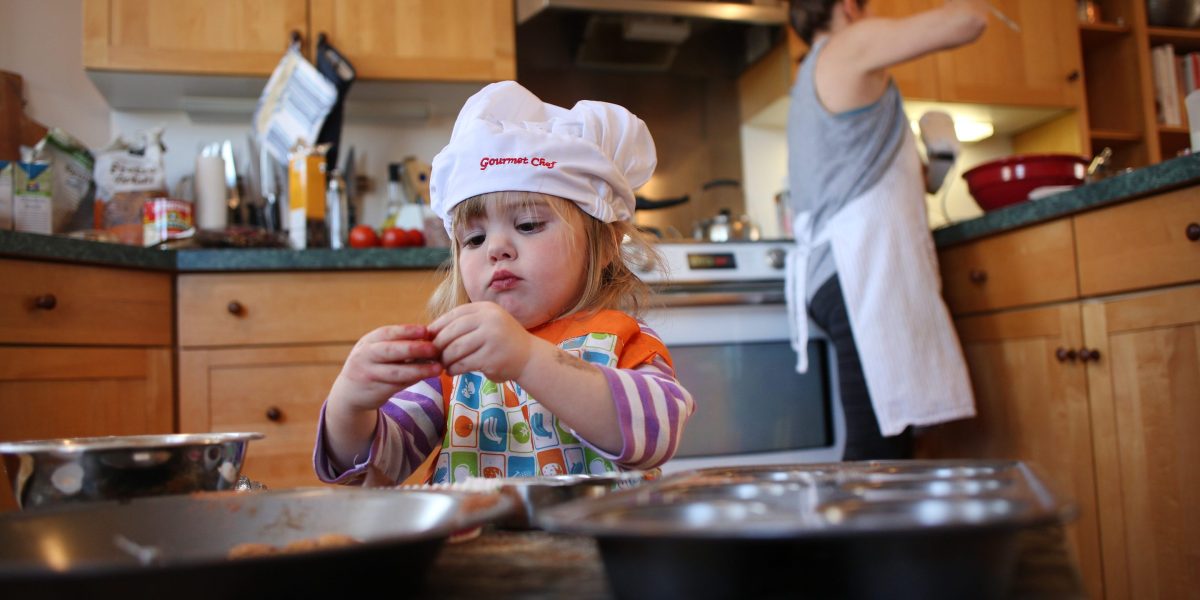
Misty Heggeness, an associate professor of economics at the University of Kansas, says without household cooking and childcare, families would buy those services, making survival more expensive.
“Without those activities, we really wouldn't have a functioning formal economy.”
Growth figures hide the real story
When women entered the workforce in the nineteen sixties, GDP recorded their earnings but not the lost household labor, artificially boosting growth by zero point two percent annually.
Women still carry the burden
Fifty-four percent of unpaid household work between twenty twenty-one and twenty twenty-four was done by women, who spend more time on childcare despite often out-earning male partners.
The stress falls on women
Women juggle paid work and household management while facing forty-eight percent burnout rates compared to thirty-six percent for men, Heggeness says they are invisible in the data.
“We're not kept in the data, and then we wonder why are women today so stressed and frizzled.”
Counting unpaid work reshapes productivity
Economist Nancy Folbre says valuing unpaid labor should help share household work equitably, not push women home, and broadens how we measure worker productivity beyond office output.
“The productivity of taking care of other people is also really, really important.”
The key point
A Government Accountability Office report found unpaid household work worth up to six trillion dollars yearly is excluded from GDP, masking economic growth and women's disproportionate labor burden.