China's AI theft threatens US tech dominance
Chinese companies are systematically stealing AI secrets from American firms, undermining US leadership in the technology race.
10 cards 3m
News for readers in China, in one-minute summaries with a link to the original reporting.
Chinese companies are systematically stealing AI secrets from American firms, undermining US leadership in the technology race.
China worries about cyberattacks and loss of control, not the sci-fi scenarios keeping American A.I. researchers up at night.
U.S. officials warn that losing AI dominance to China would reshape global power, but experts debate what winning actually means.
The Nvidia CEO said China doesn't worry about AI doom. Chinese internet users strongly disagreed.
A political warfare campaign against American military bases traveled from Beijing to Philadelphia, amplified by TikTok's algorithm.
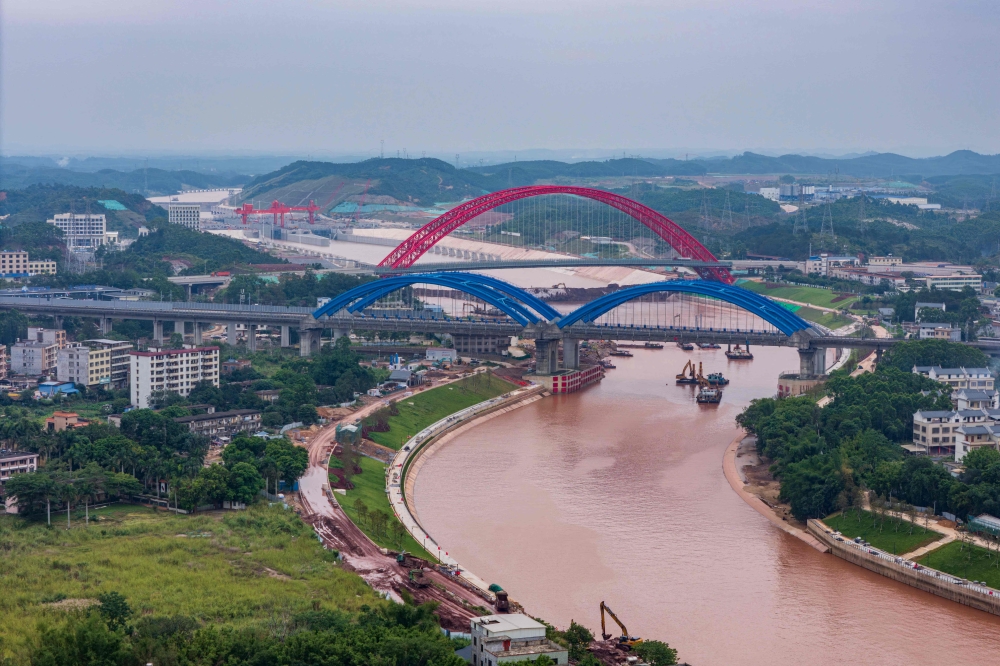
The 134-kilometer waterway gives landlocked southwestern regions direct sea access, slashing transport distances by over 560 kilometers.
Industry leaders warn AI systems are advancing faster than humans can safely control them, even as the U.S. races China.
Despite the thaw, India-China rivalry remains inevitable.
In 19 months, Washington has lost ground to Beijing on every conceivable front.
Sweeping bill passes despite fears Trump could use tariff authority against US allies instead of Moscow.
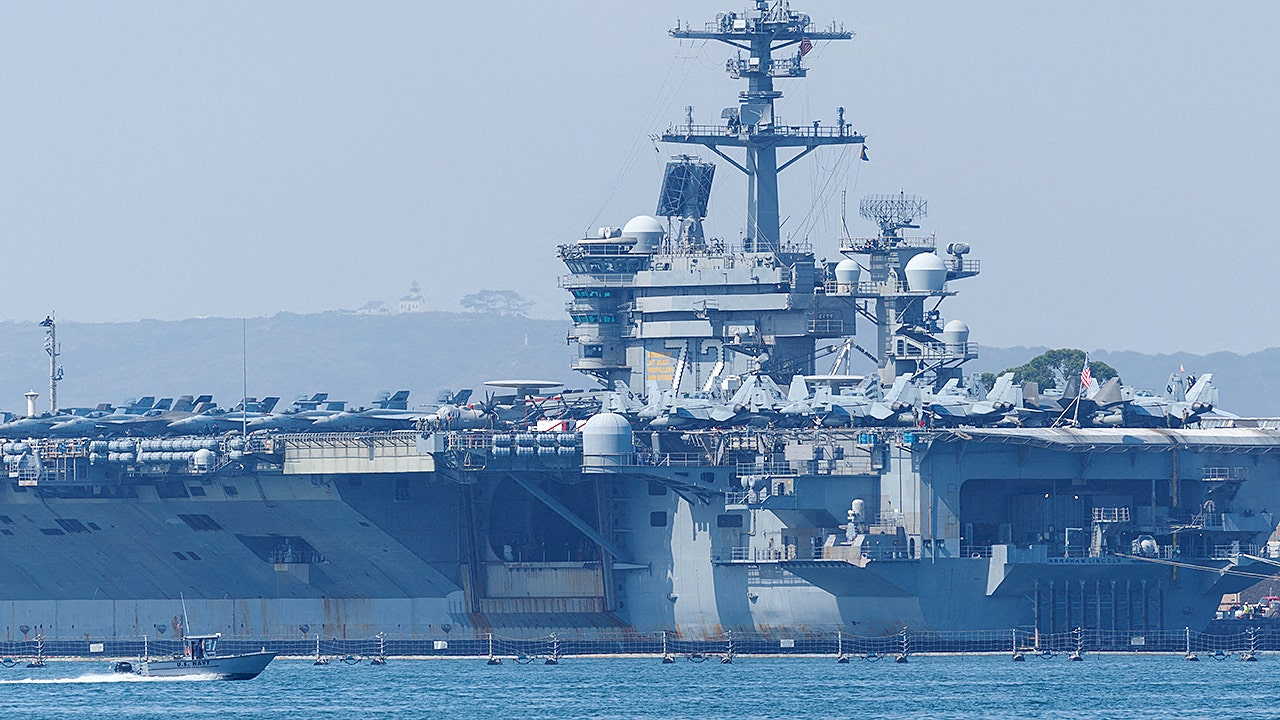
The Navy has proven tech to keep its edge, but White House hesitation on key systems could hand China an advantage.
Test count matters less than who reviews your history, explains results, and handles follow-up after you leave.
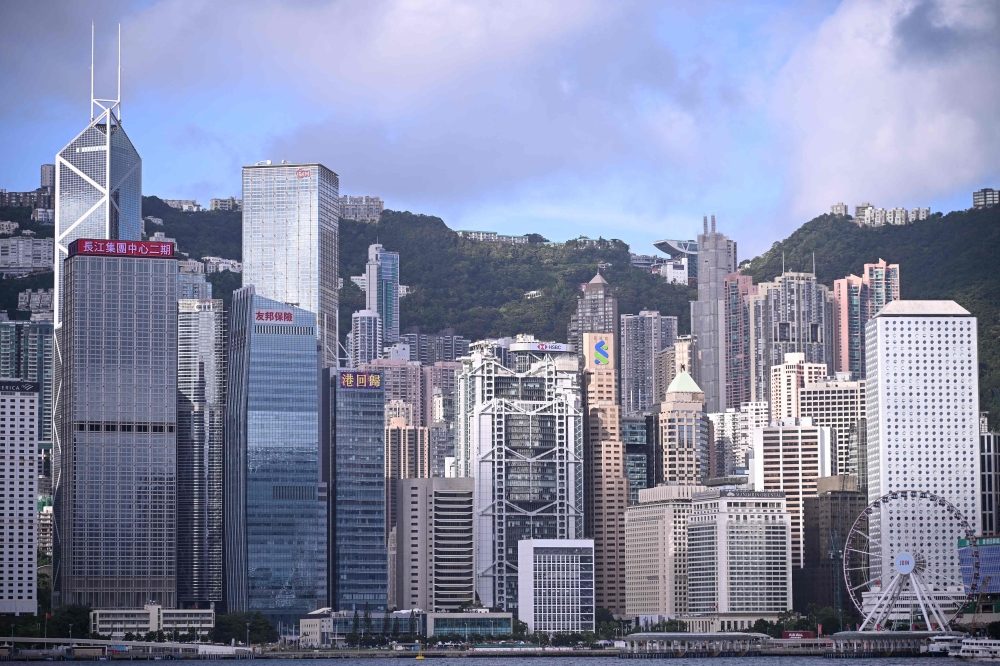
City leader John Lee announces Hong Kong's first Five-Year Plan, targeting deeper tech and economic integration with mainland China by 2030.
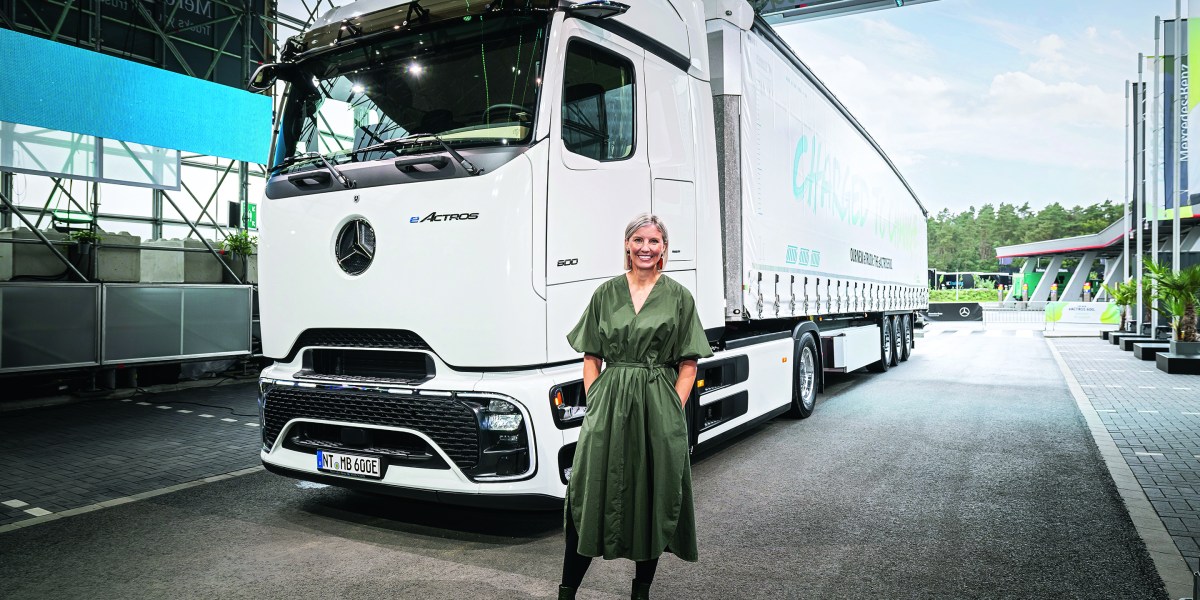
The world's biggest truckmaker faces Chinese competition, tariffs, and a cultural overhaul under its new CEO.
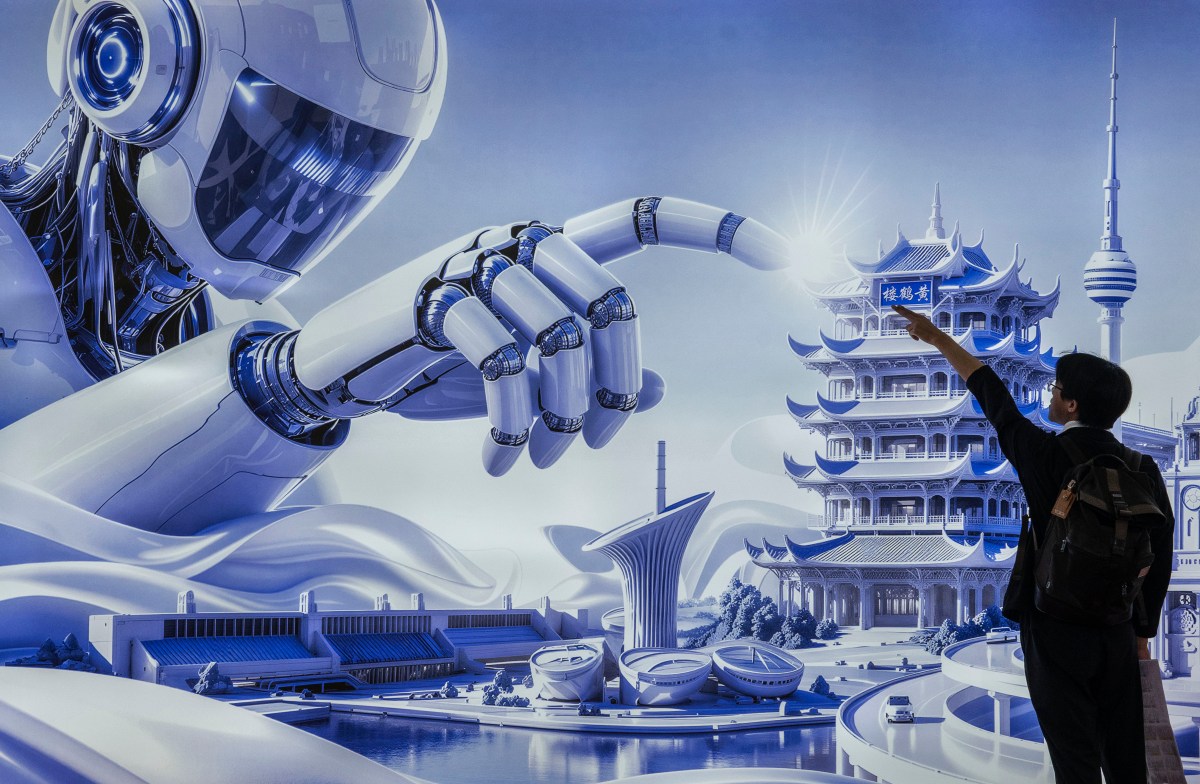
As U.S. AI leaders call for caution, China’s tech sector is focused on control, cheaper models and real-world use.
Dale Nicholls sees a weak Chinese economy, but says AI and select consumer firms still offer value.
OpenAI and Anthropic want a U.S.-China AI slowdown, but both governments see speed as power.
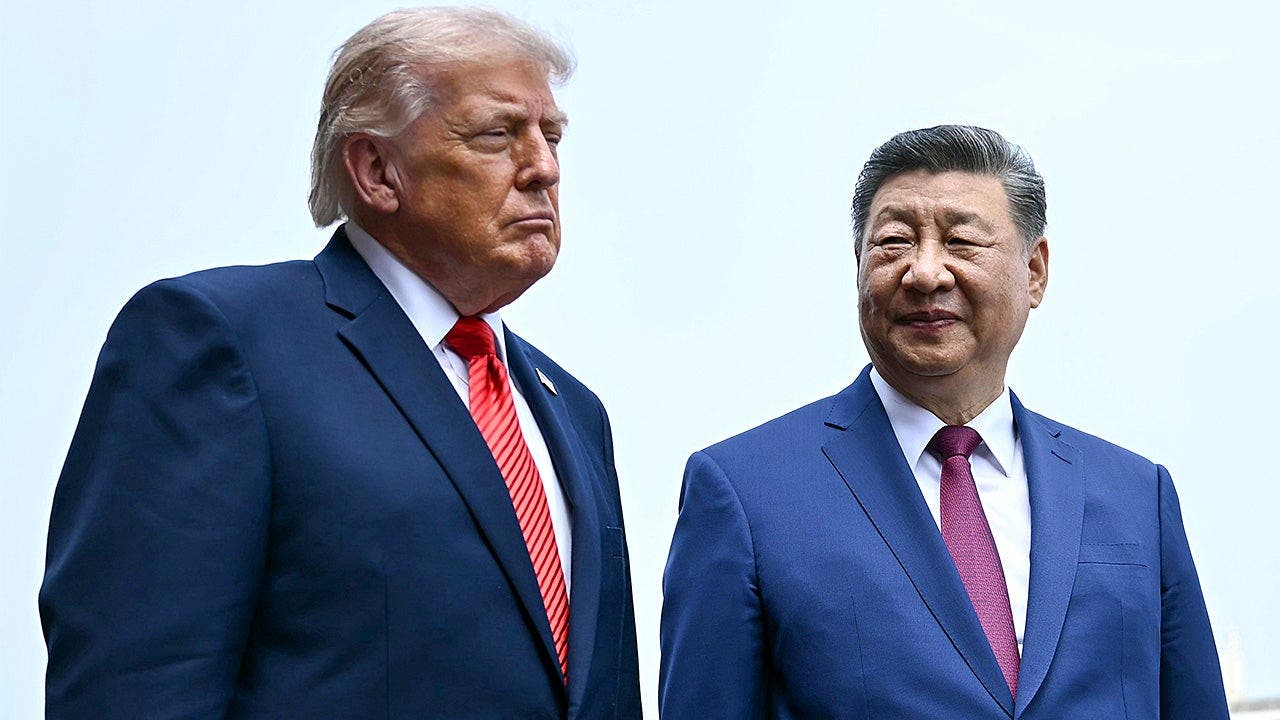
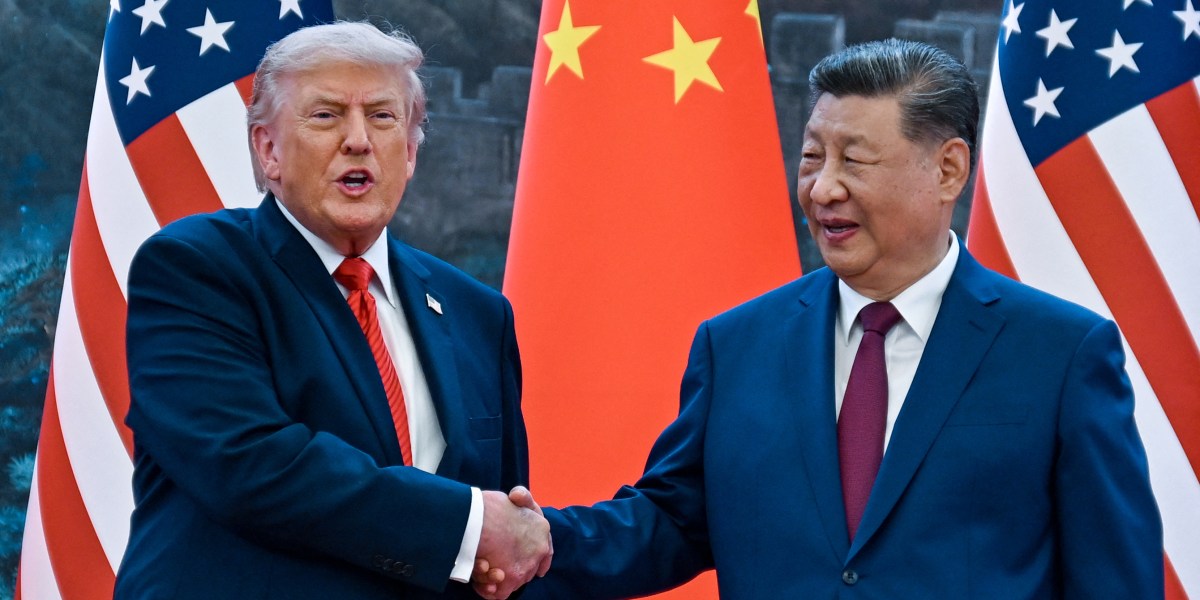
A Washington summit may put AI safety on the table, but the U.S. and China see the risks in very different ways.
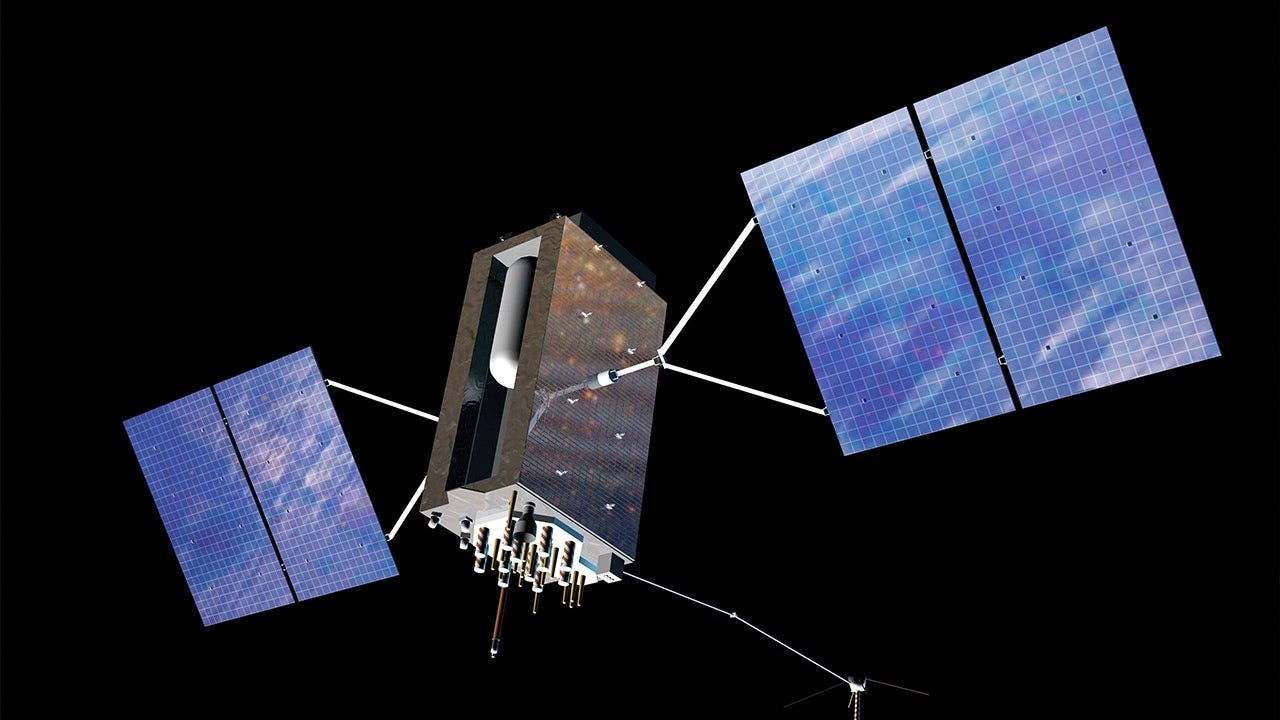
The Space Force now openly says it has space weapons ready to defend US forces. What they do, and how they work, stays secret on purpose.
While Asia scrambles for oil, China's problem is the opposite: more green energy than its market can absorb.
Beijing extended tech export controls to people, and the exit gate is the new chokepoint for engineers and executives.
A $450 million equity stake aims to rebuild a metal supply chain China controls 85 percent of.
Western AI bosses want a pause. China's Foreign Ministry called the whole conversation fear-mongering and moved on.
Trump dismissed calls to slow AI down, naming Anthropic's CEO directly and framing caution as a gift to China.